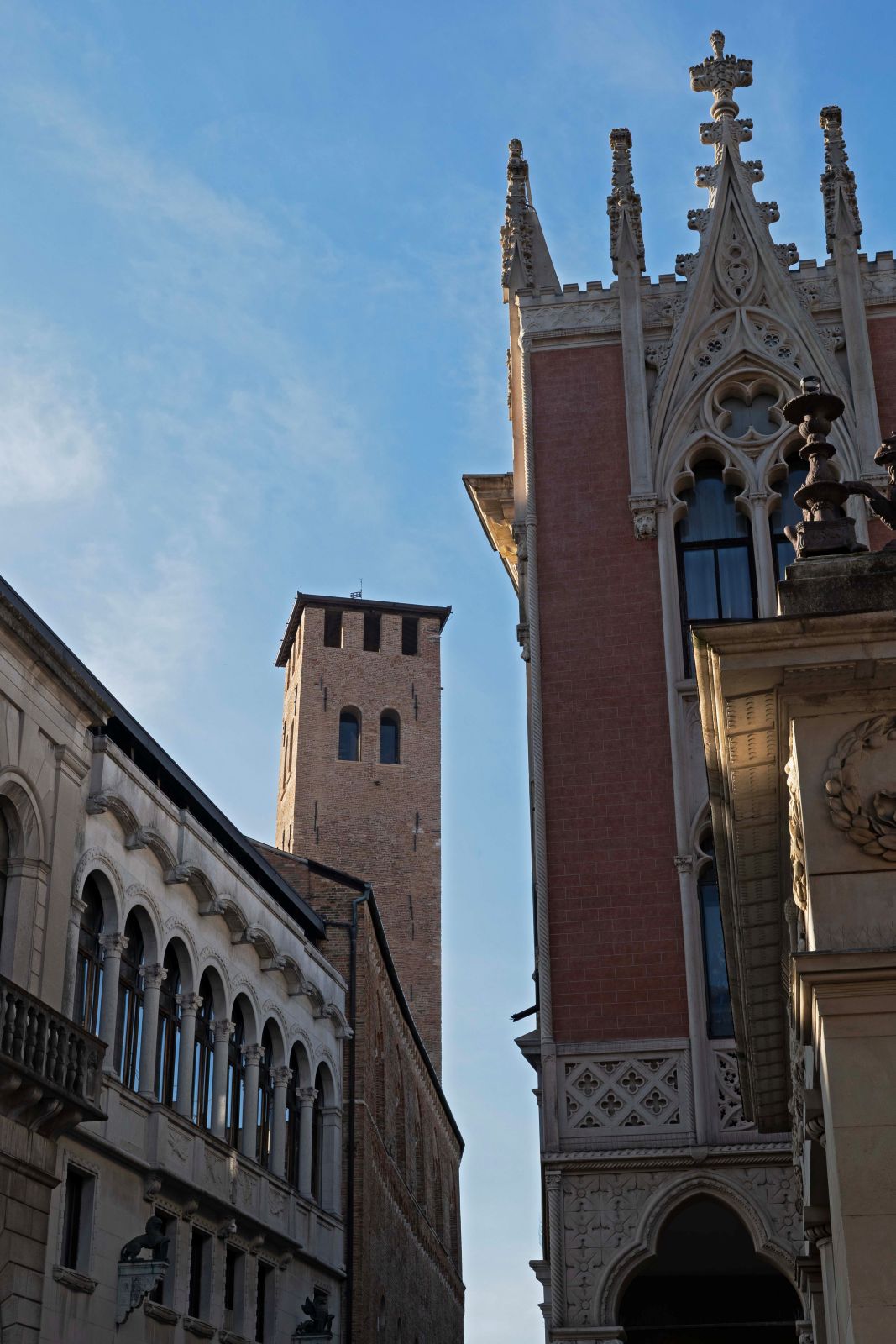
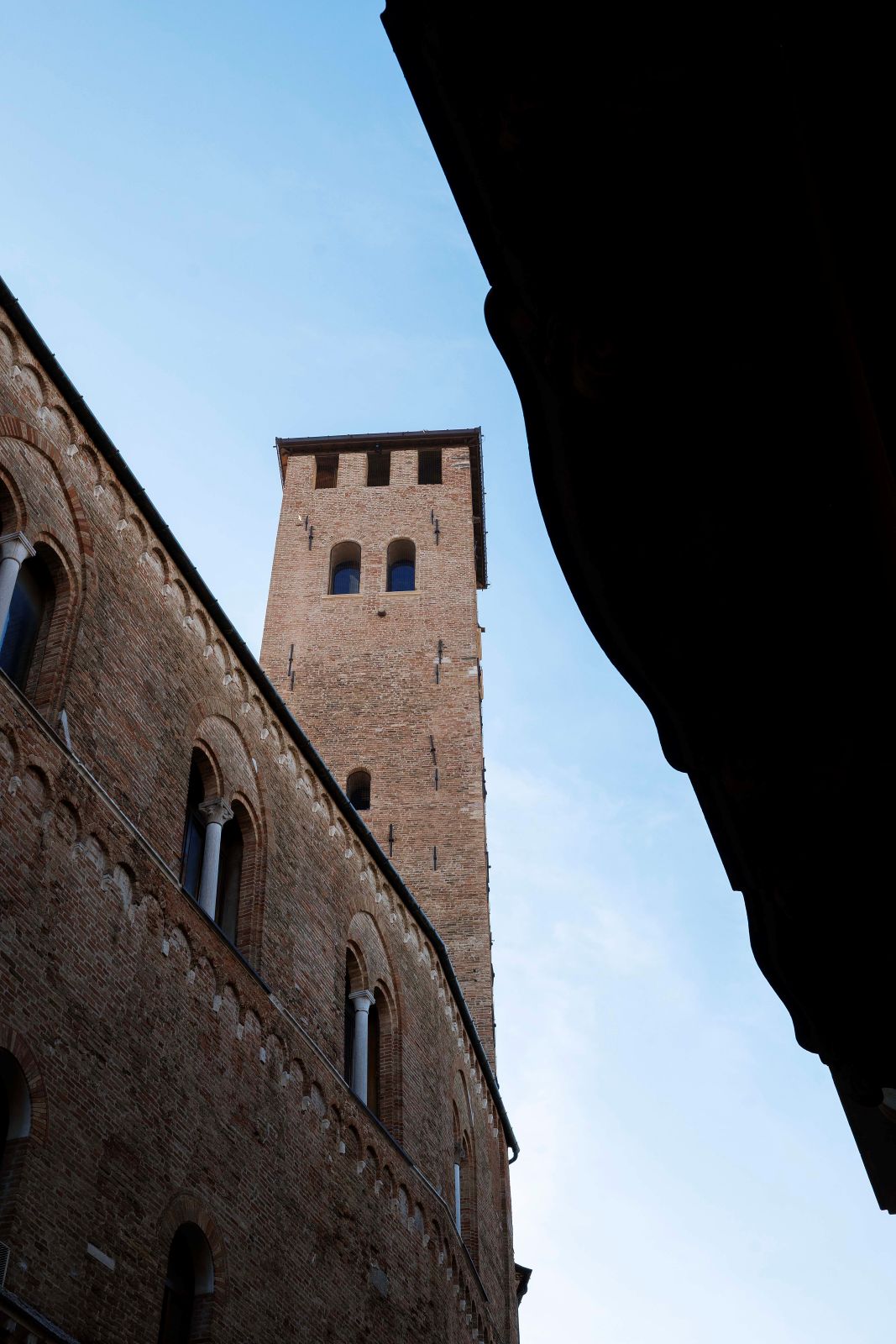
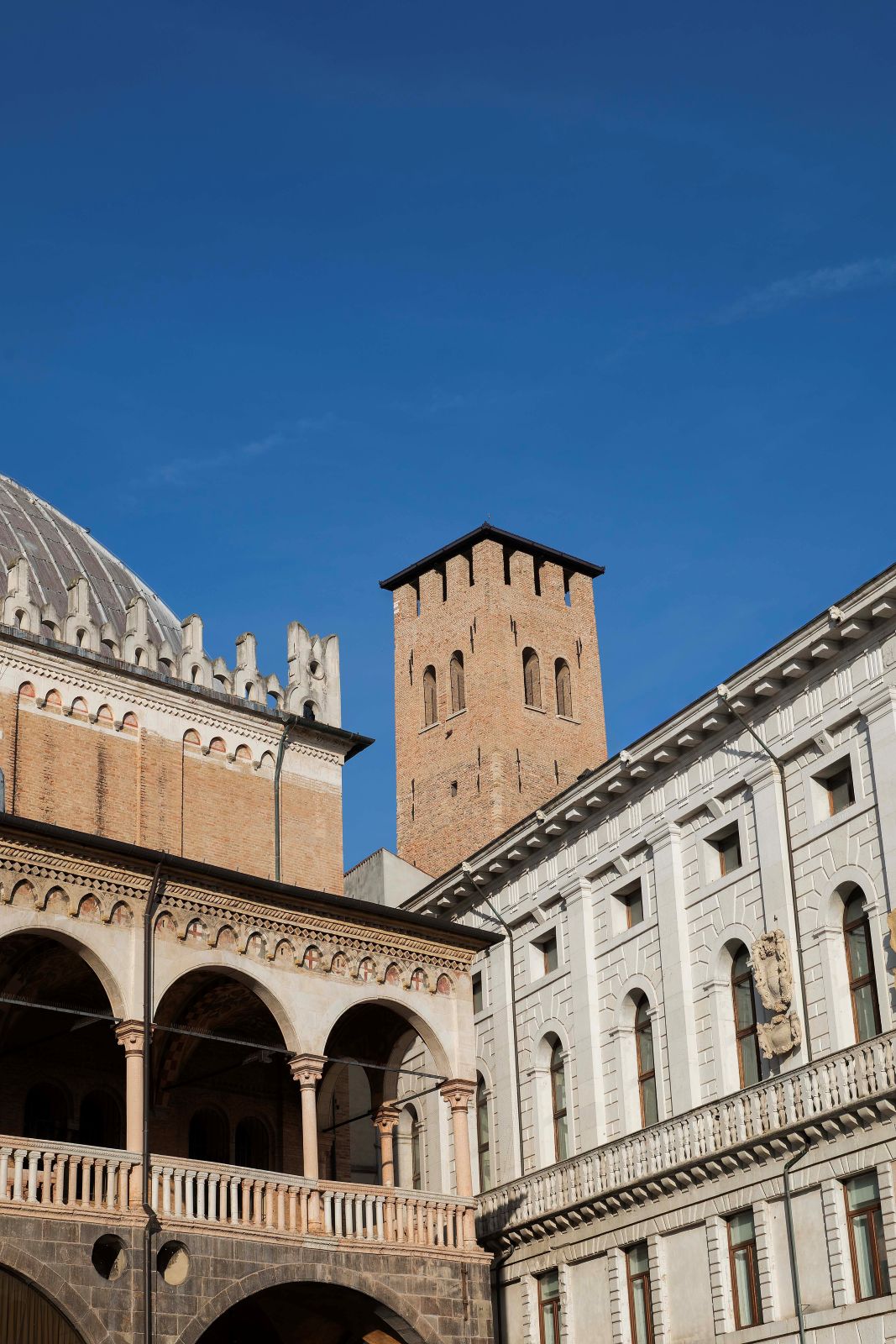
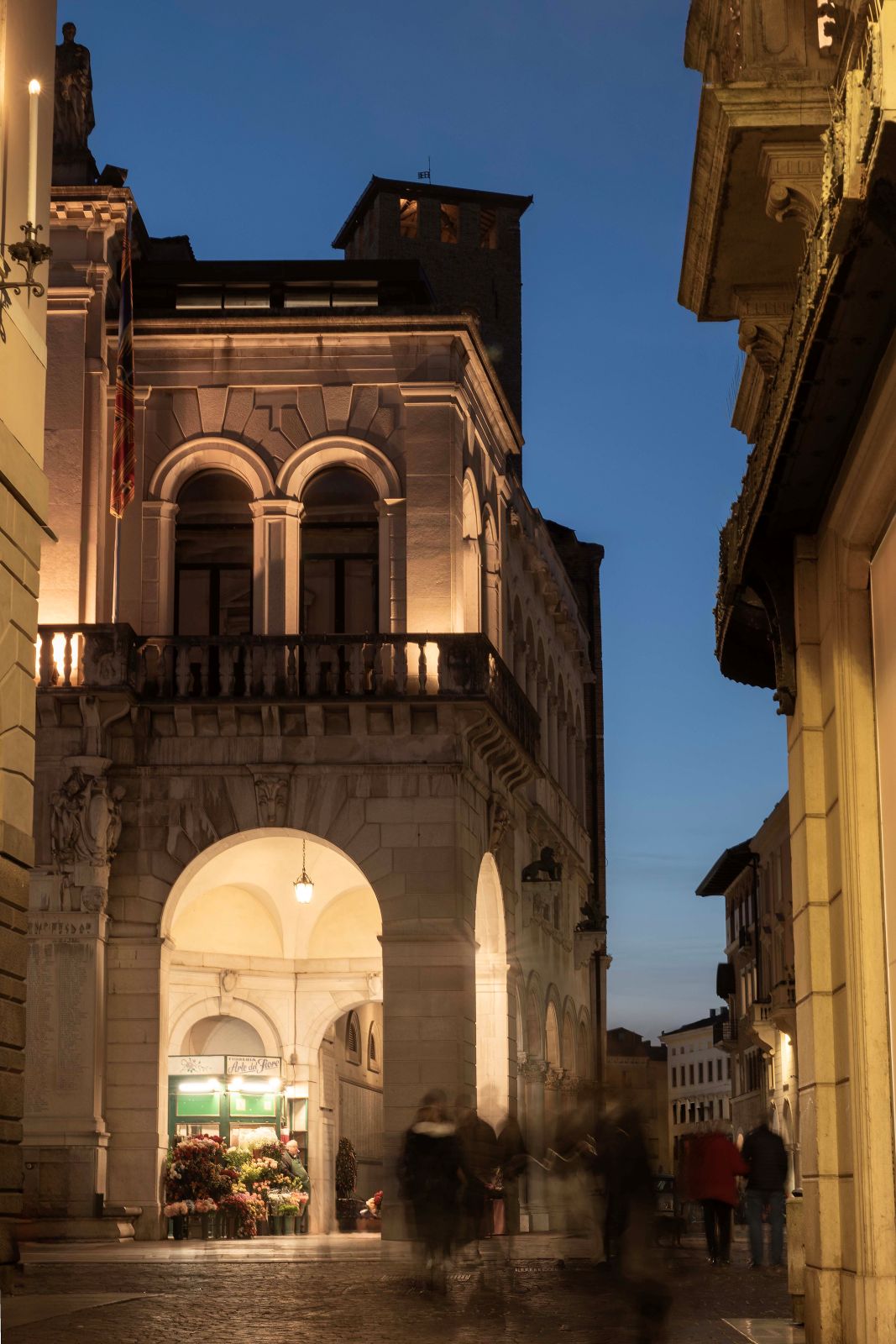
After a long period of closure, the Torre degli Anziani (Tower of the Elders) returns to its role as a leading landmark in Padua’s skyline. The firm Architettura Tommasi, led by founder Gianni Tommasi and partner Tommaso Tommasi, has completed a complex restoration project that returns the ancient turrim communis to the community. Rising 47 meters high, the tower stands at the junction of three medieval districts—Torricelle, Altinate, and Duomo—and was known over the centuries by various names, including the White Tower or the Tower of Justice. Its current name dates back to at least the early 14th century, as the tower and its bells were under the direct authority of the Council of the Elders, the executive body of Padua’s free commune.
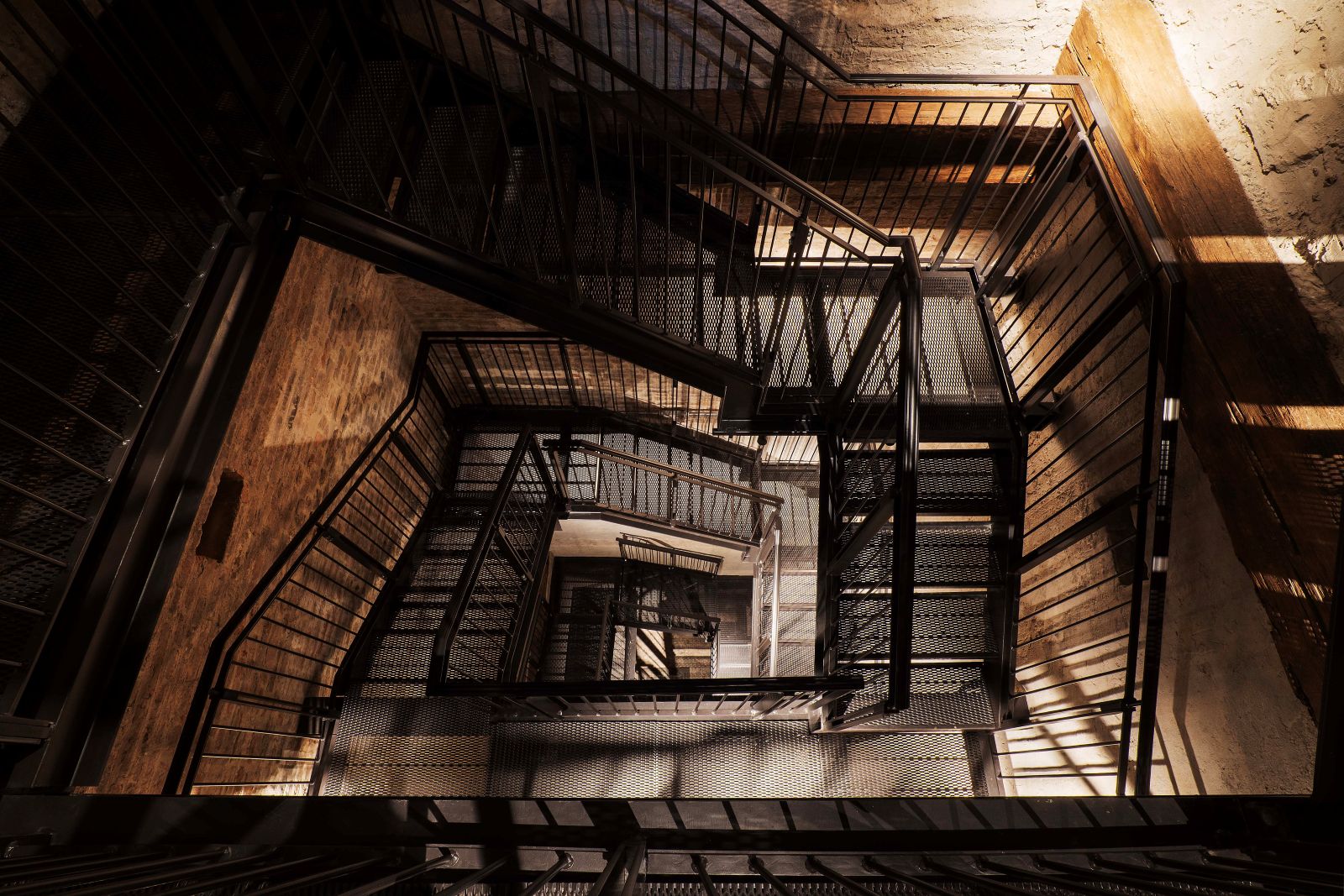
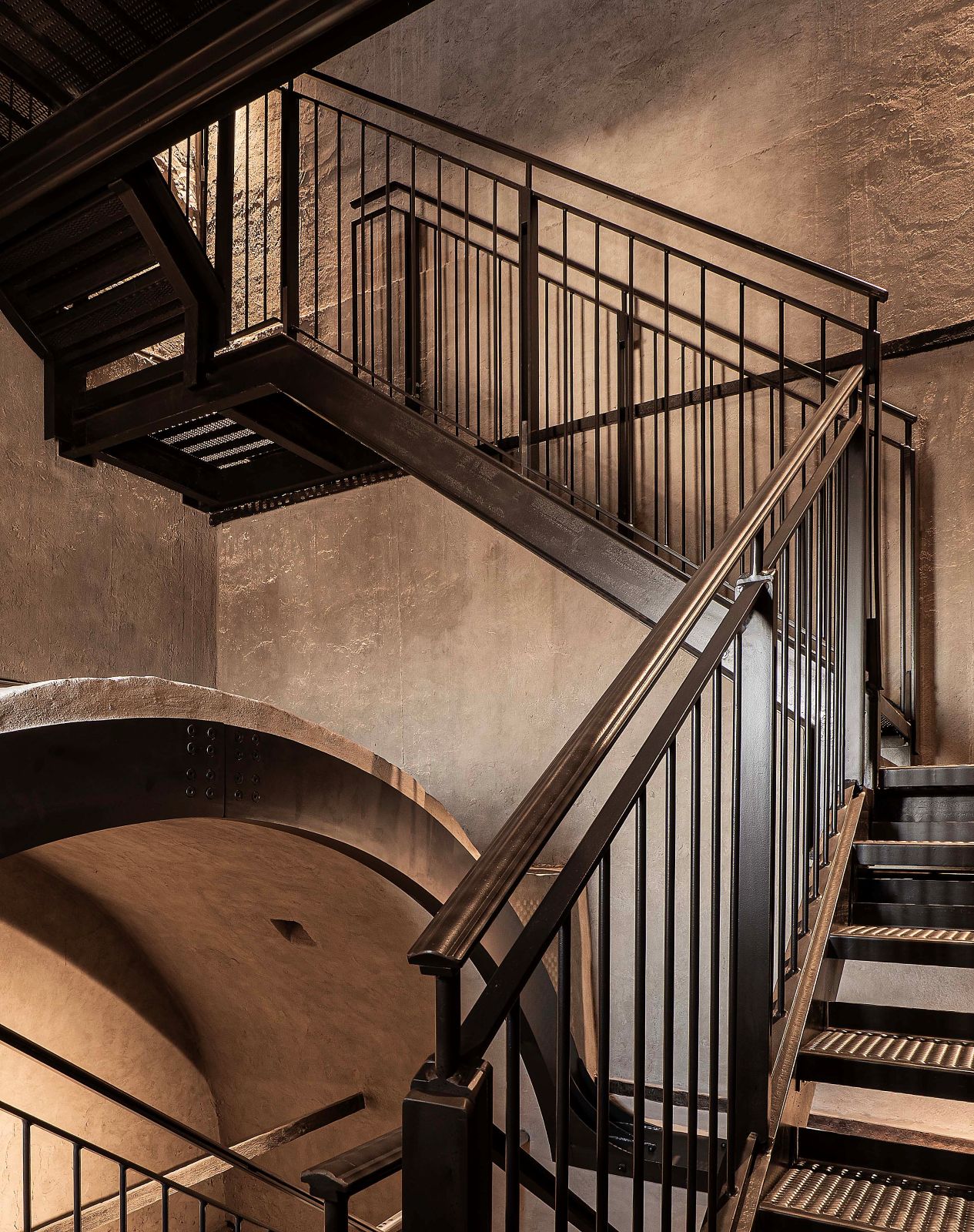
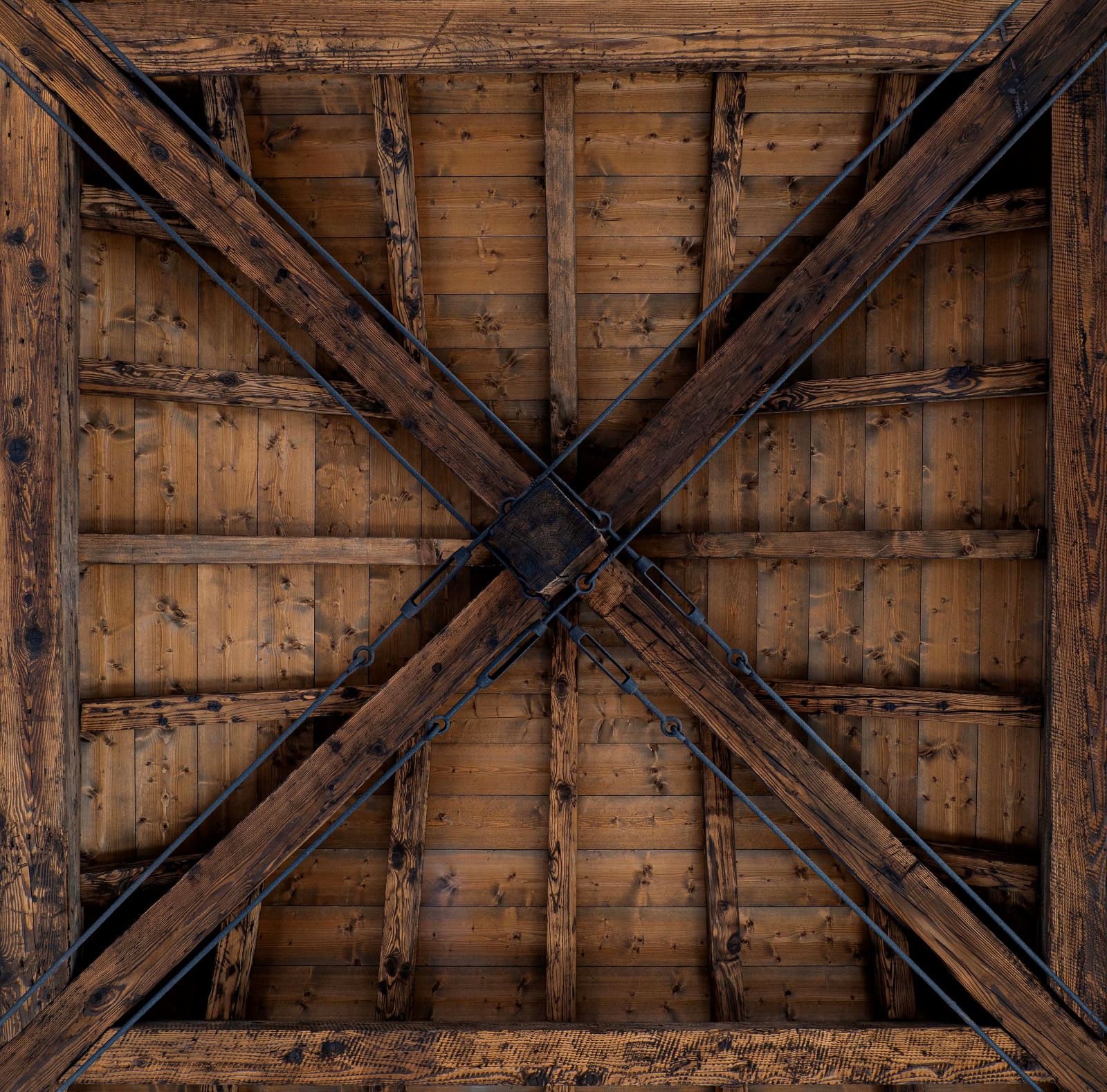
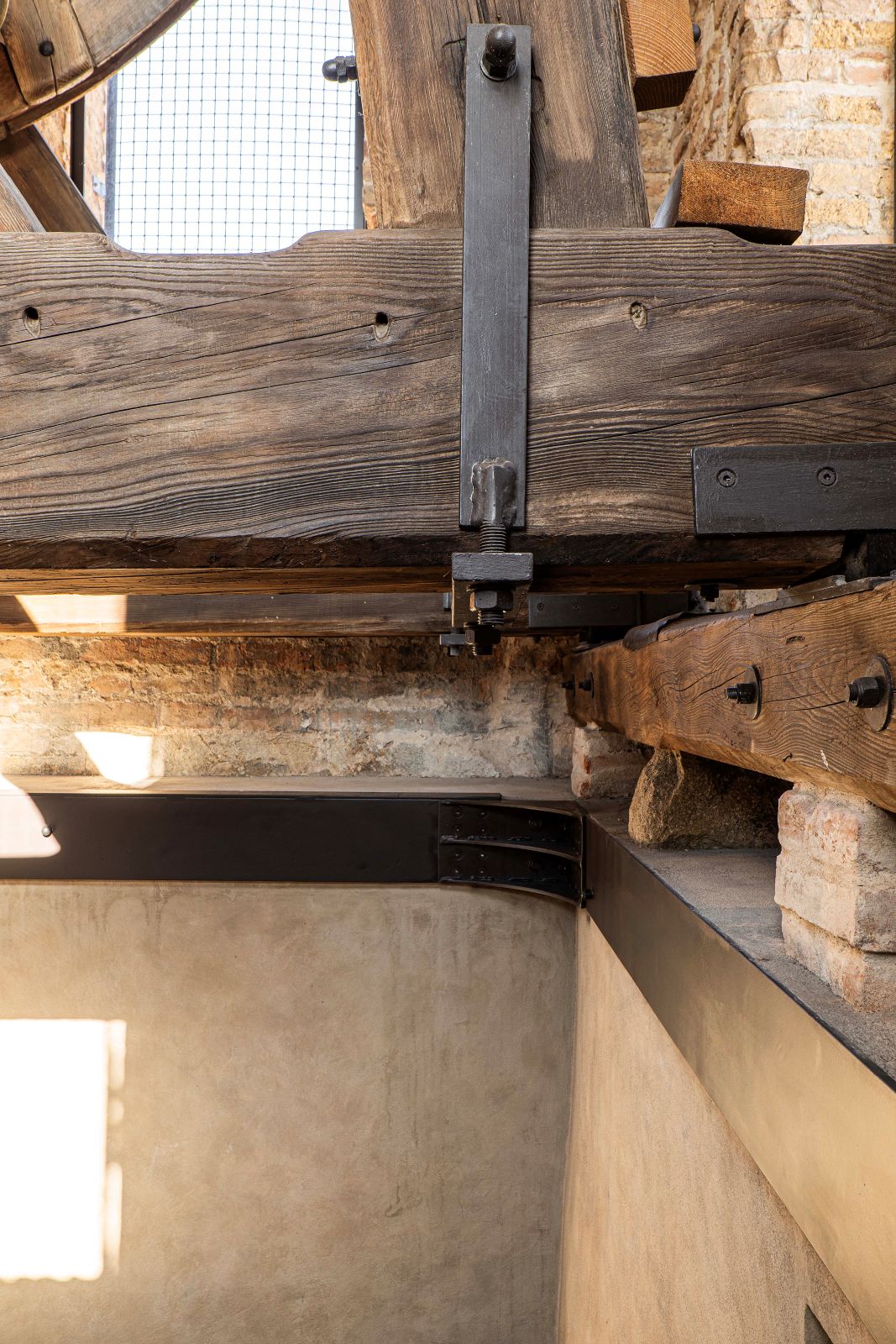
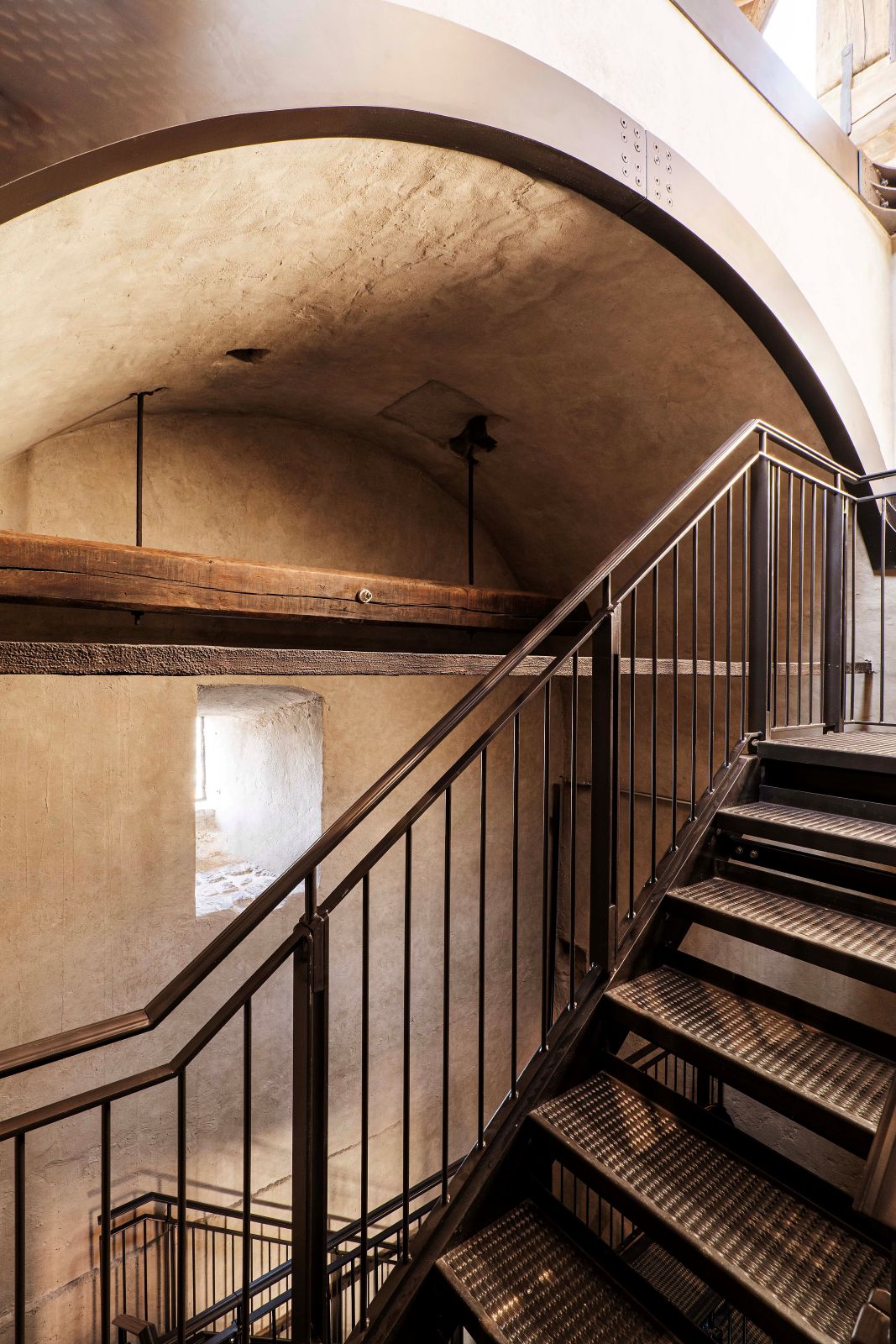
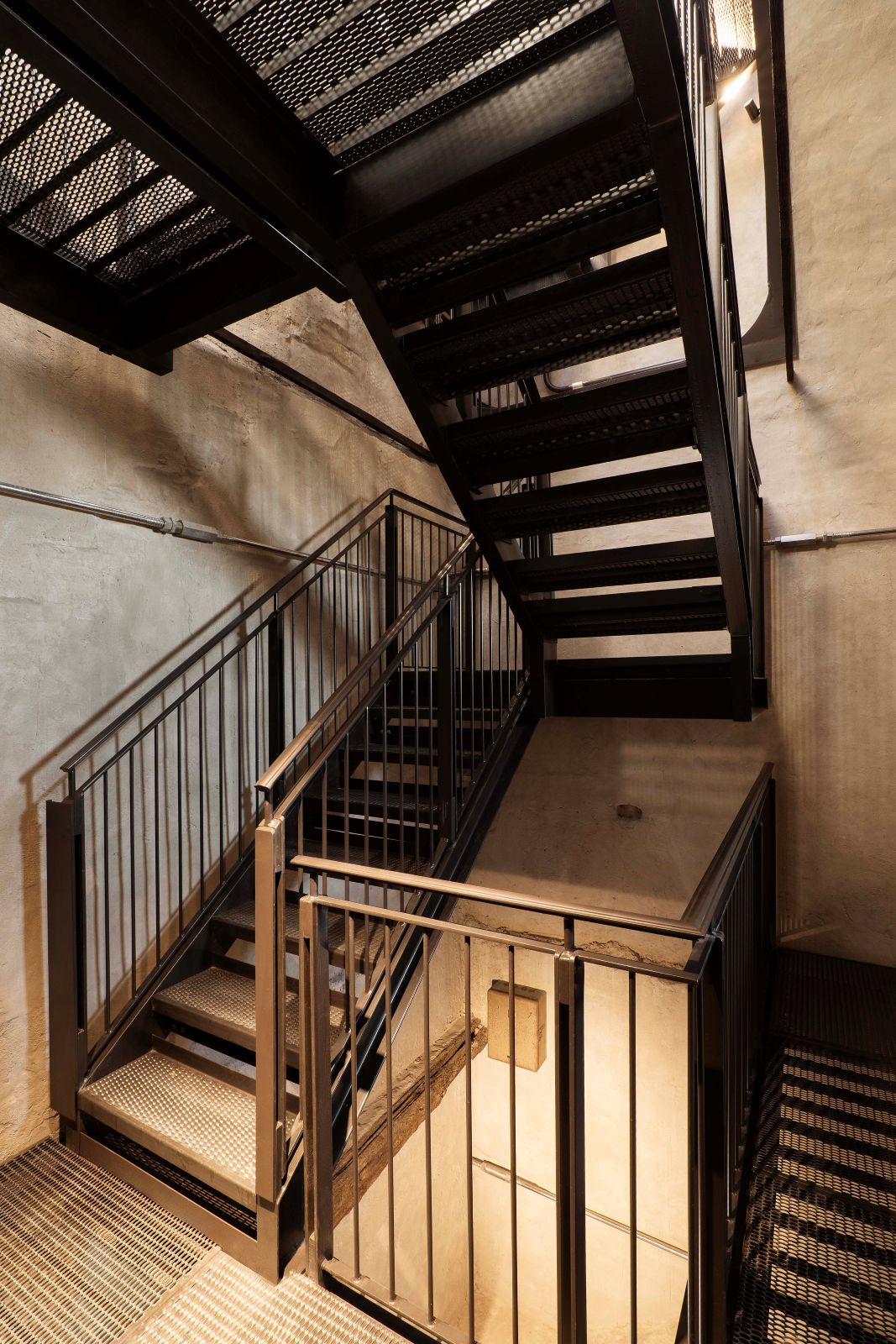
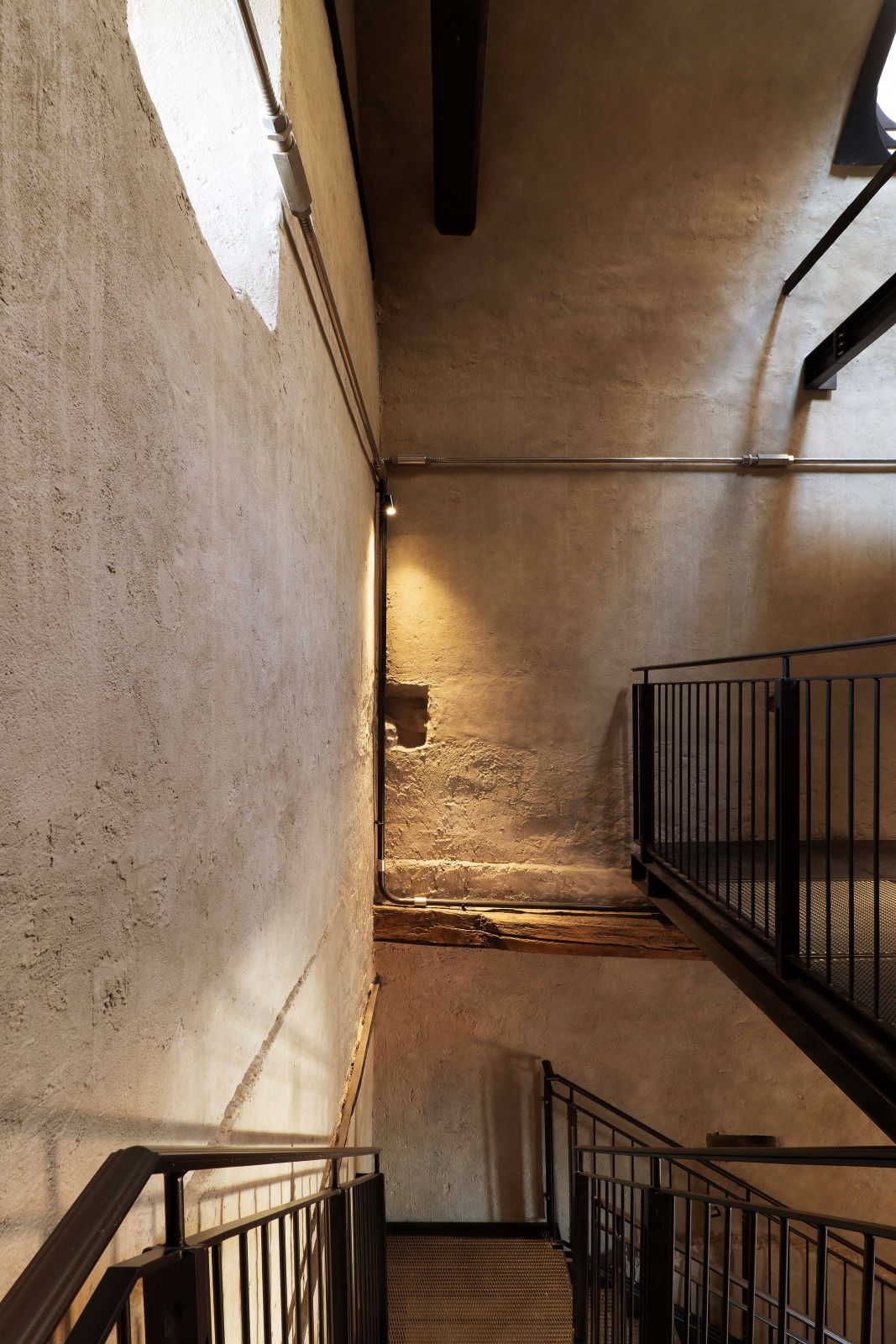
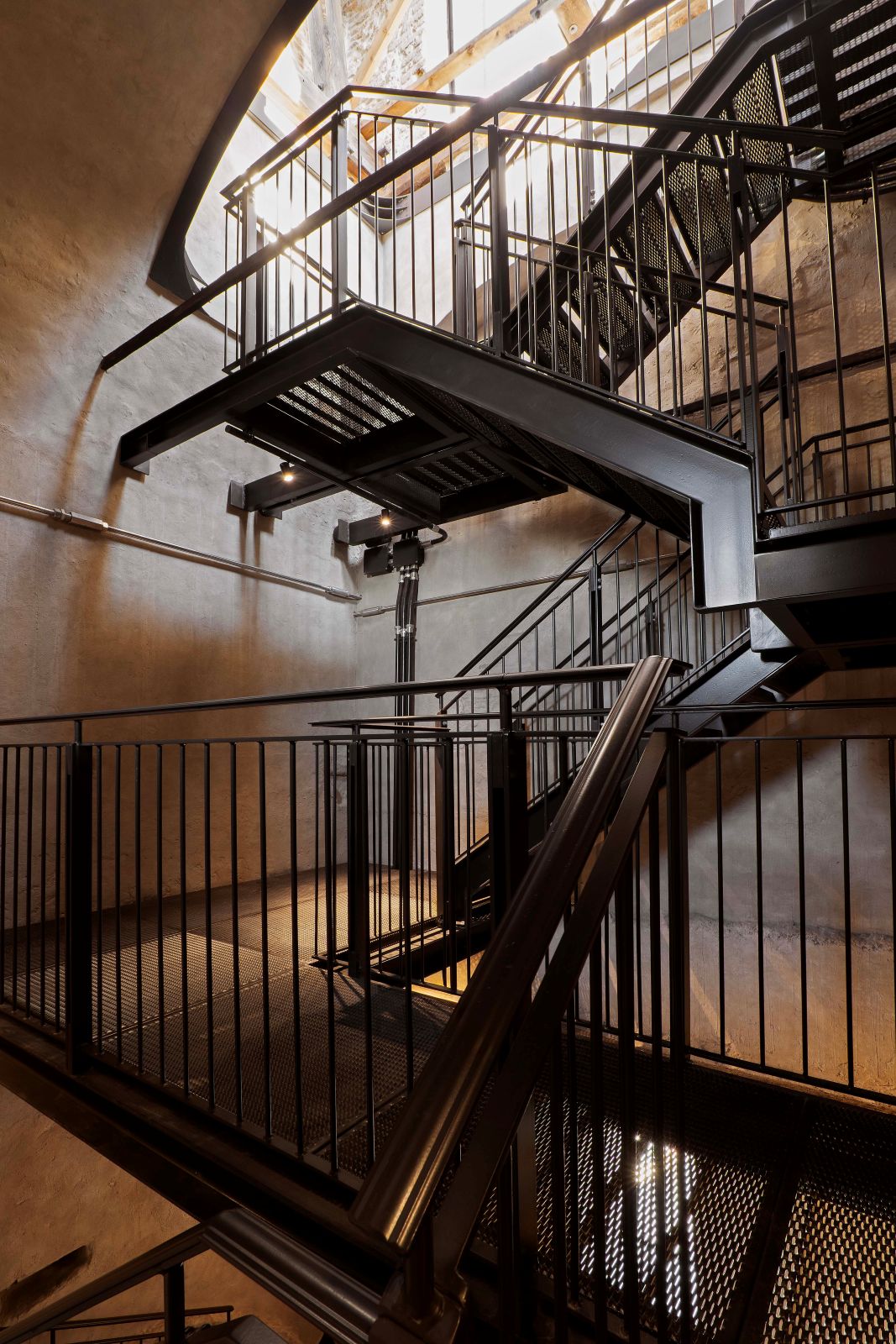
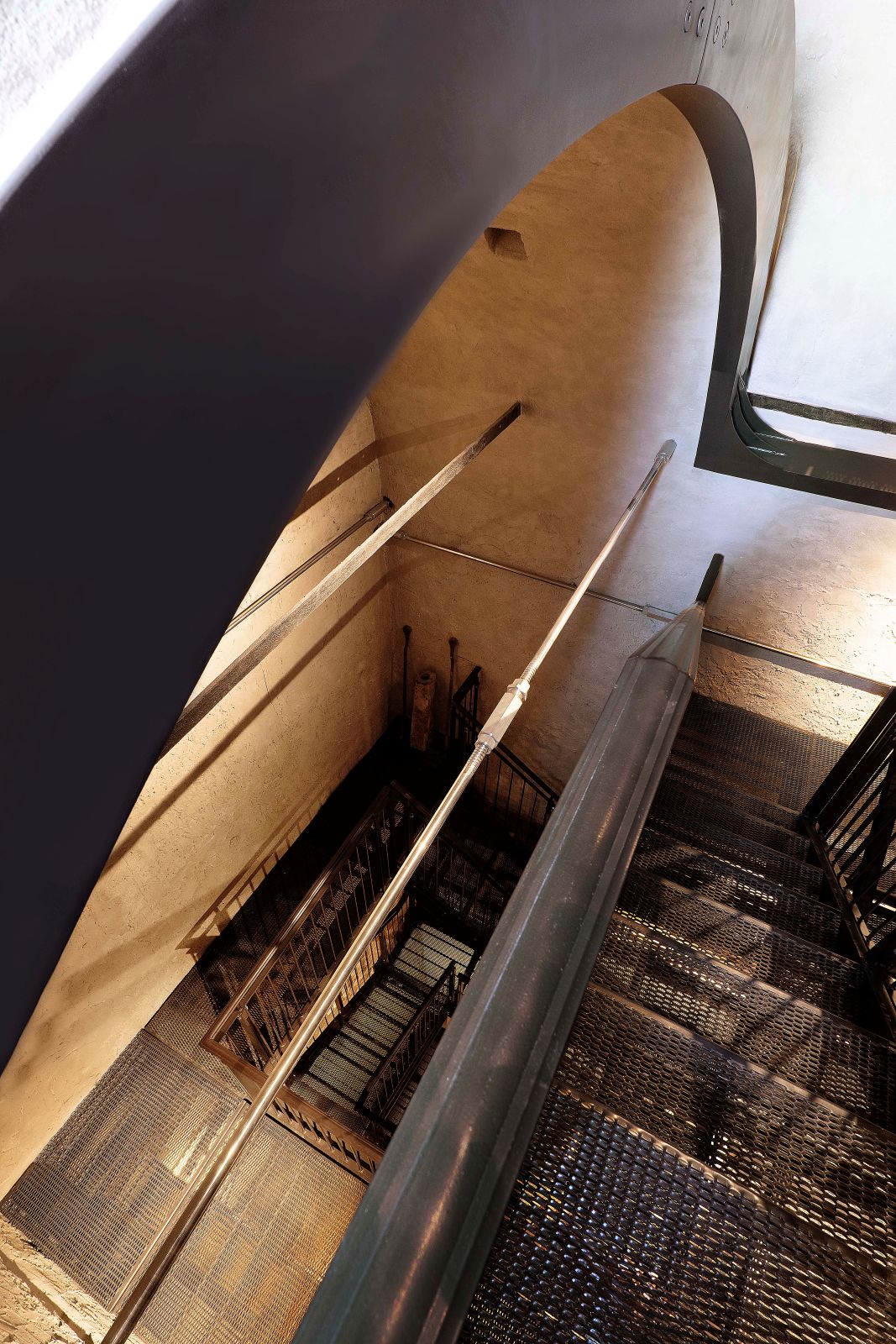
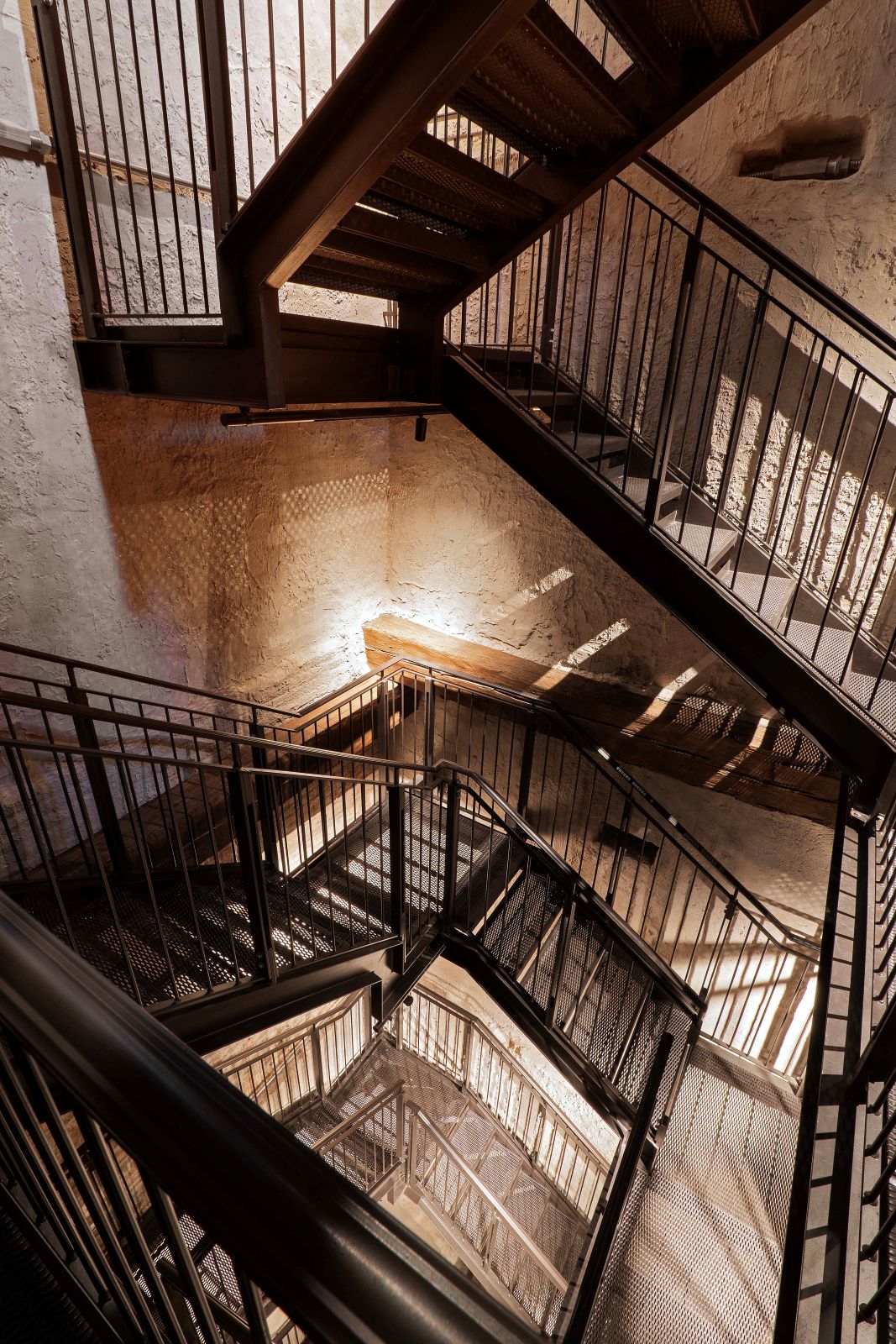
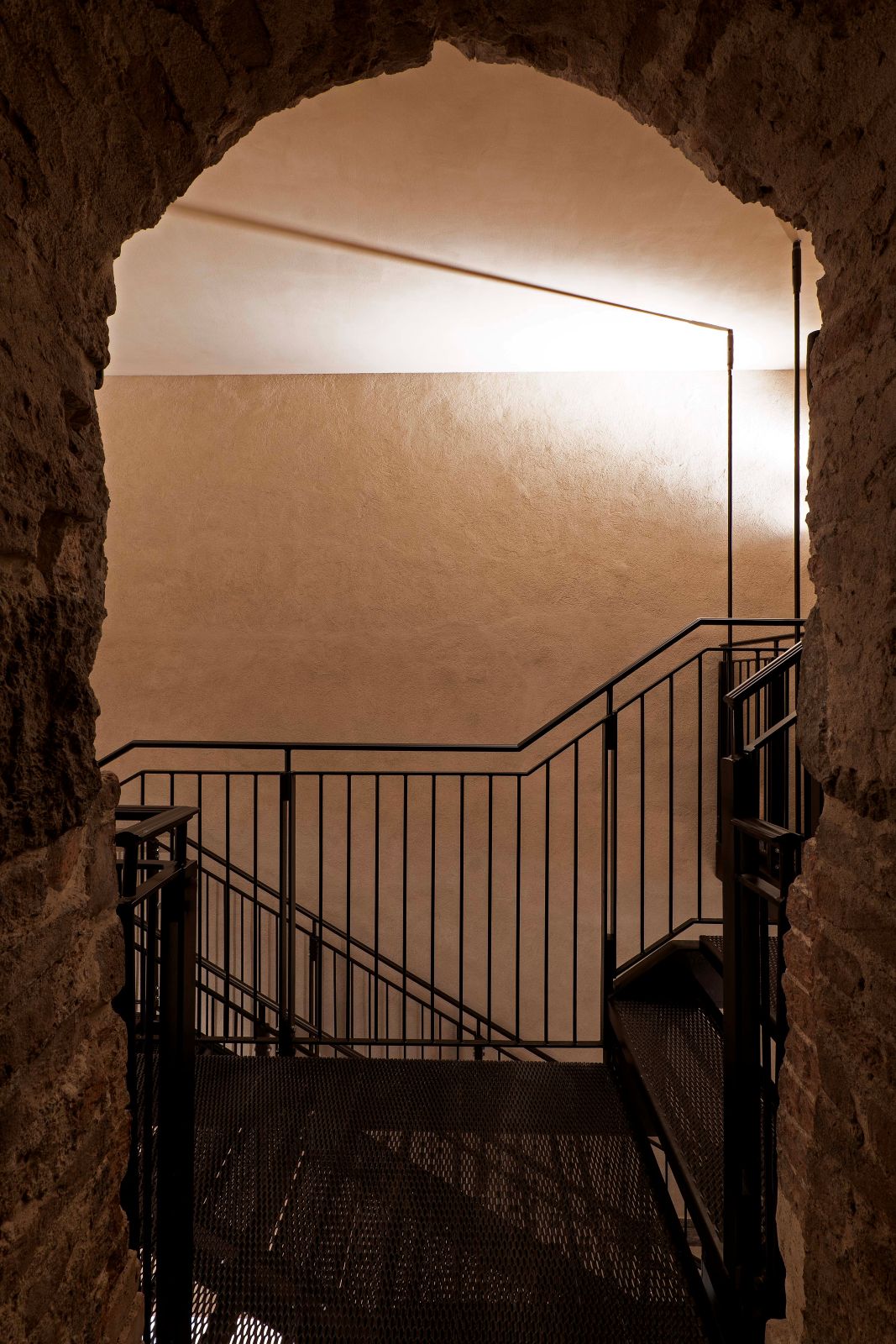
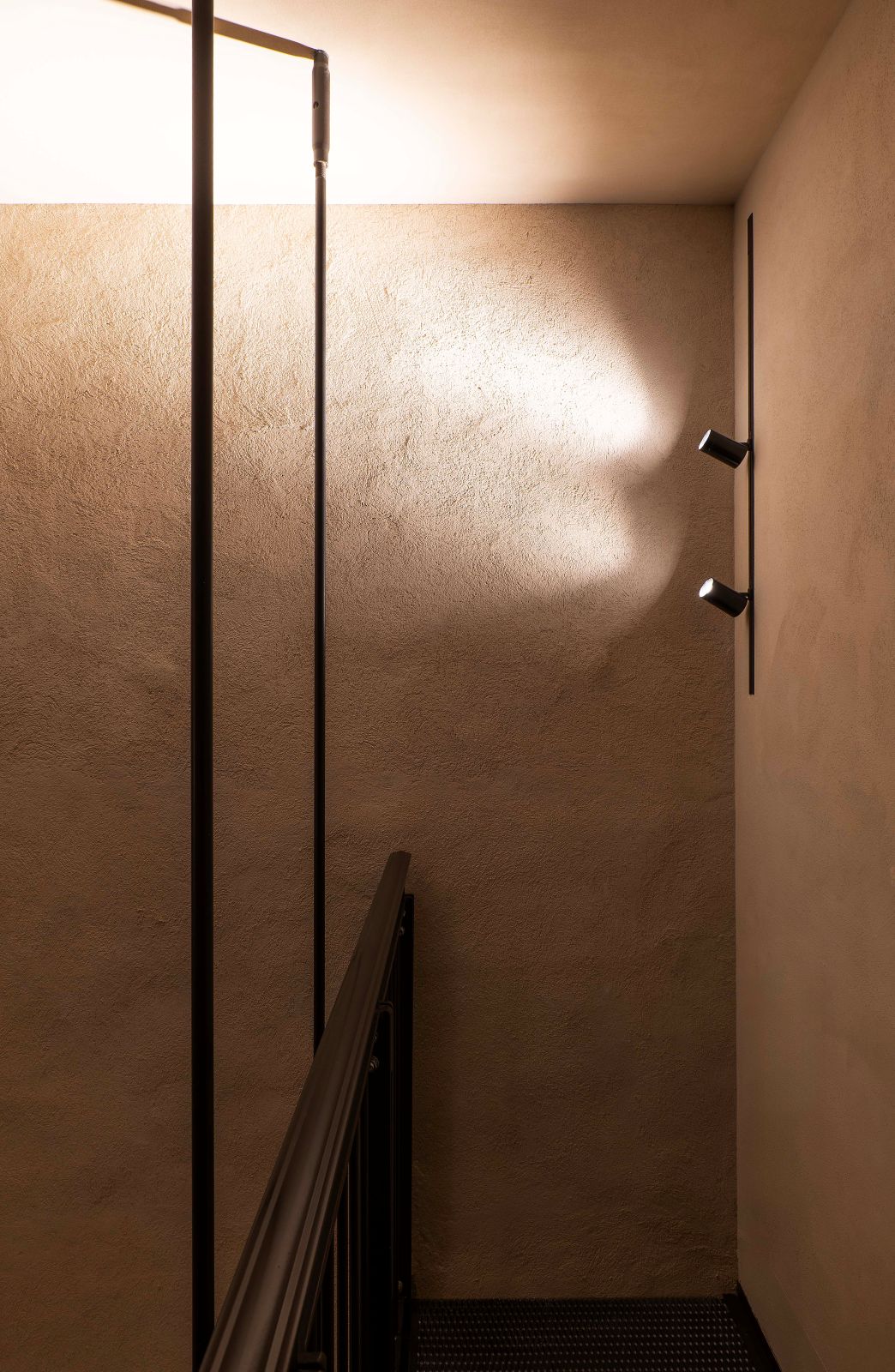
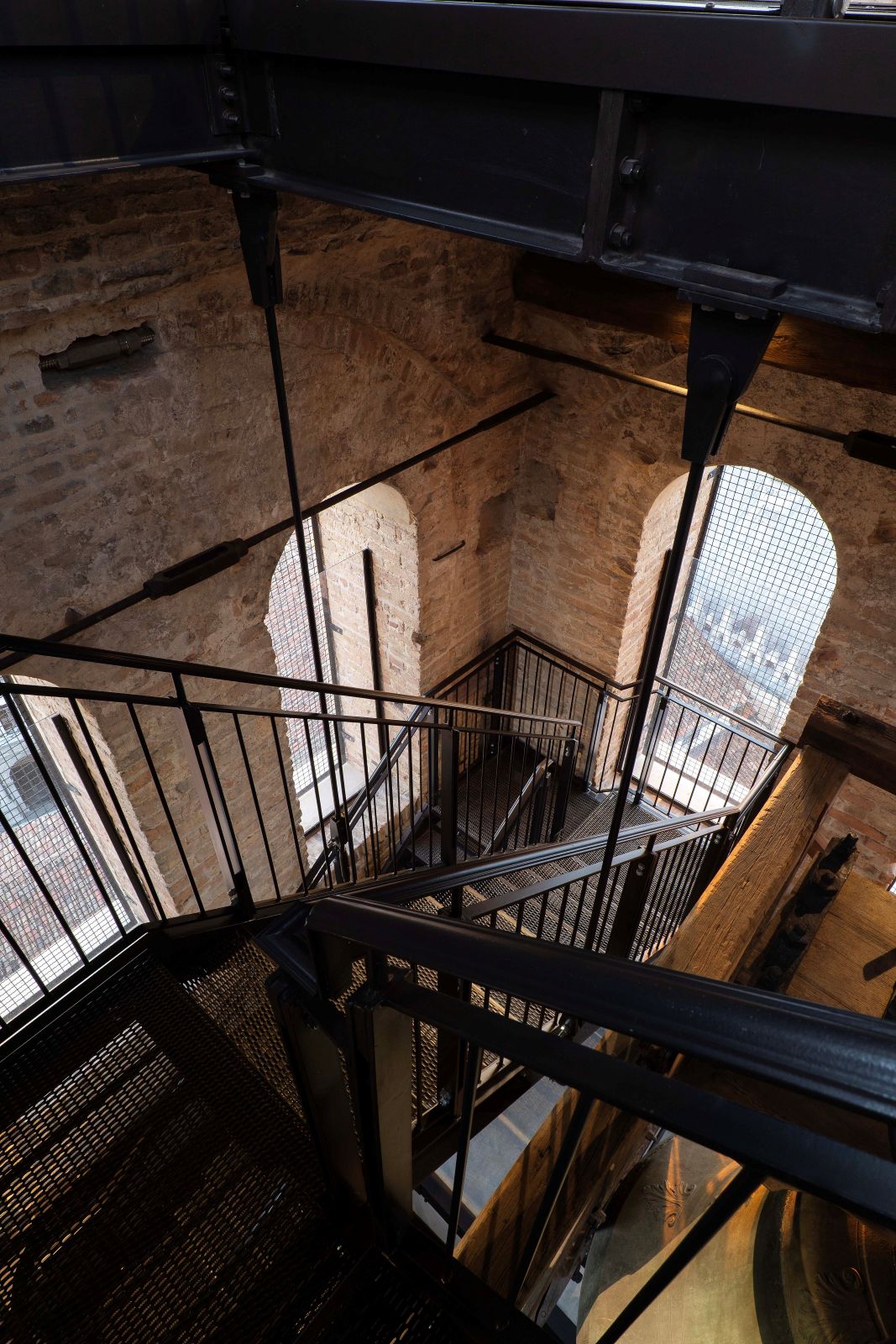
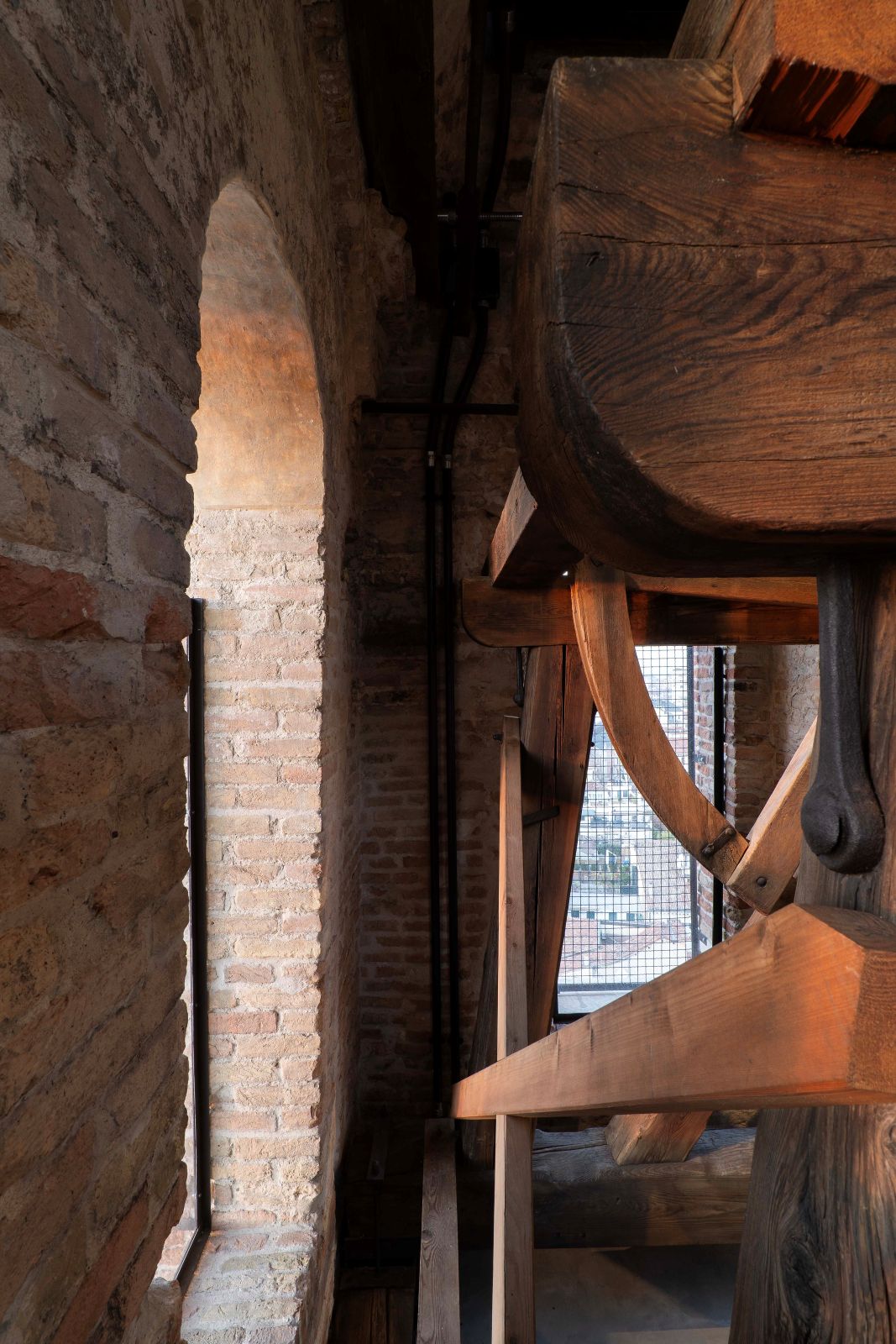
The heart of this transformation is the new internal steel staircase featuring 190 steps, designed to replace the original wooden structure in compliance with fire-safety regulations. The intervention required sophisticated engineering solutions, including the installation of next-generation internal chains and tie rods and steel ring beams to ensure the stability of the historic masonry. Great care was taken to keep historical traces visible, such as the consolidation dated January 17, 1940, which remains at the entrance. Additionally, the historic bell was temporarily moved using jacks to allow the staircase to reach the highest accessible level.
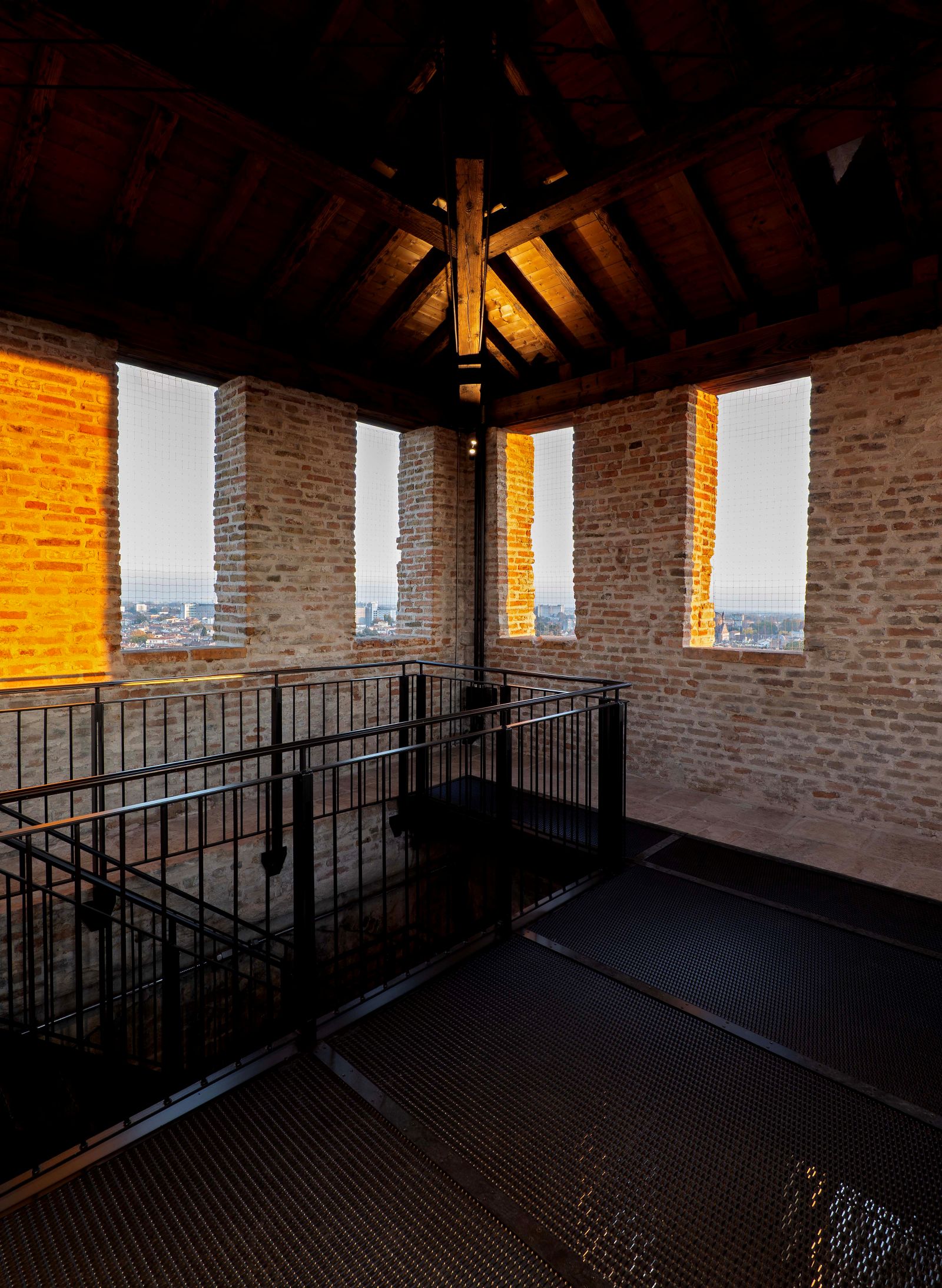
Inclusivity is a pillar of the project: a multimedia room at the entrance allows visitors with disabilities to enjoy the panorama via real-time connected cameras. From the summit, the view stretches from the vault of the Palazzo della Ragione to Teatro Verdi, the Basilicas of Saint Anthony and Saint Justina, the Euganean Hills, and, on clear days, the Dolomites. “The restoration is not only conservative, but also a form of cultural enhancement,” stated Tommaso Tommasi, highlighting how the project creates public access that never existed before.
This intervention acts as a temporal bridge: it is as if an ancient giant, who stood guard over the squares in silence for centuries, has finally reopened its eyes to once again tell the story of Padua from a privileged perspective.