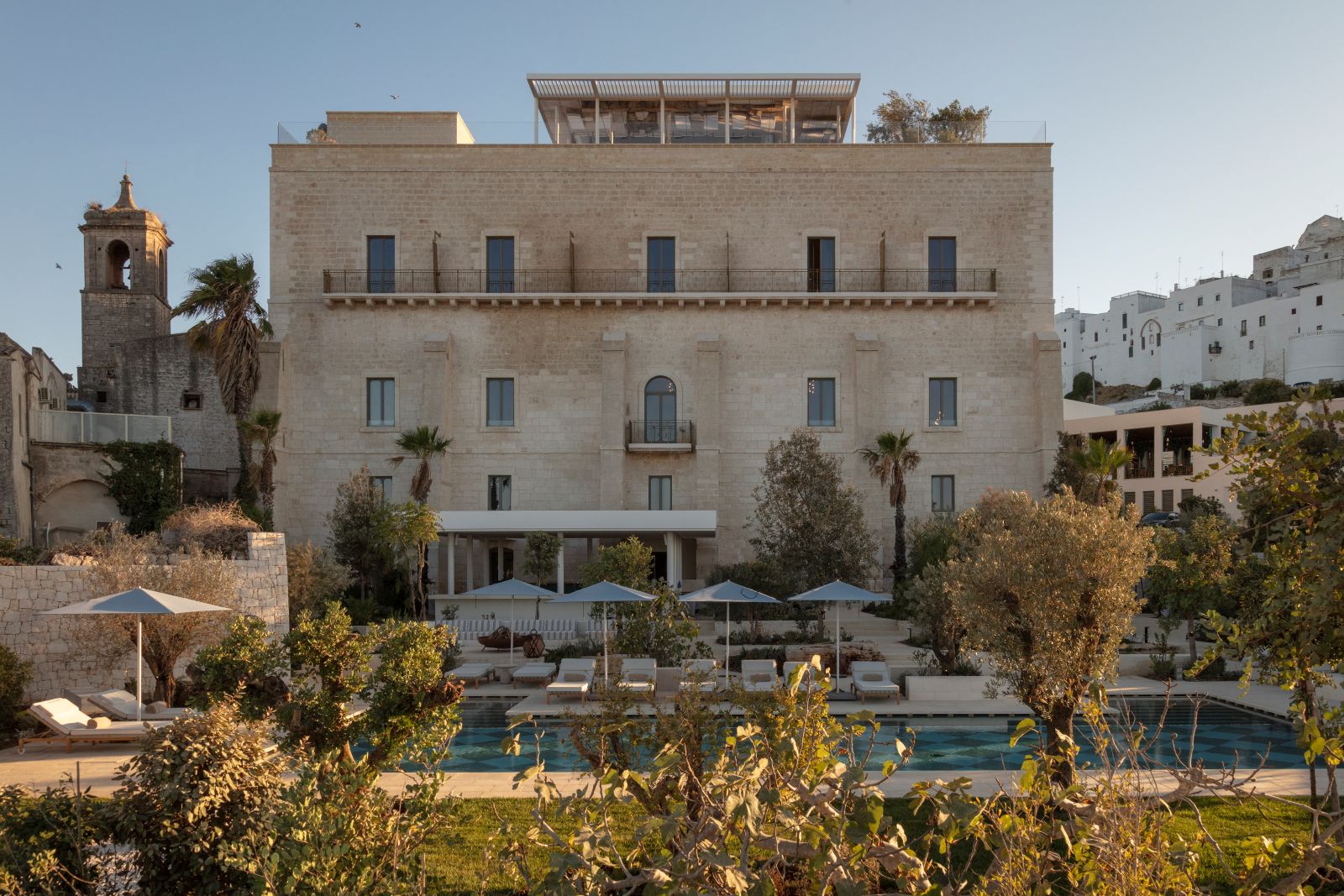
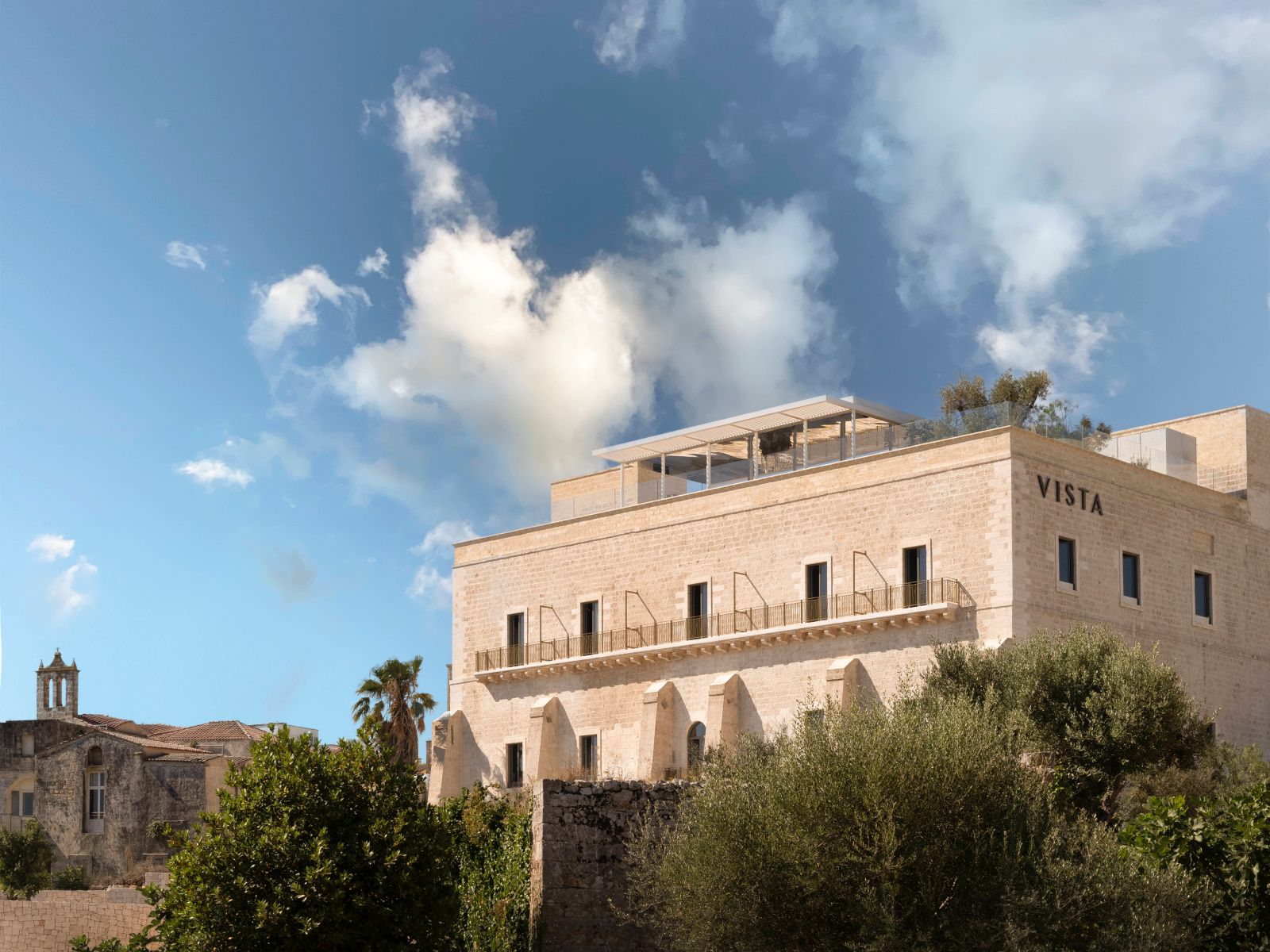
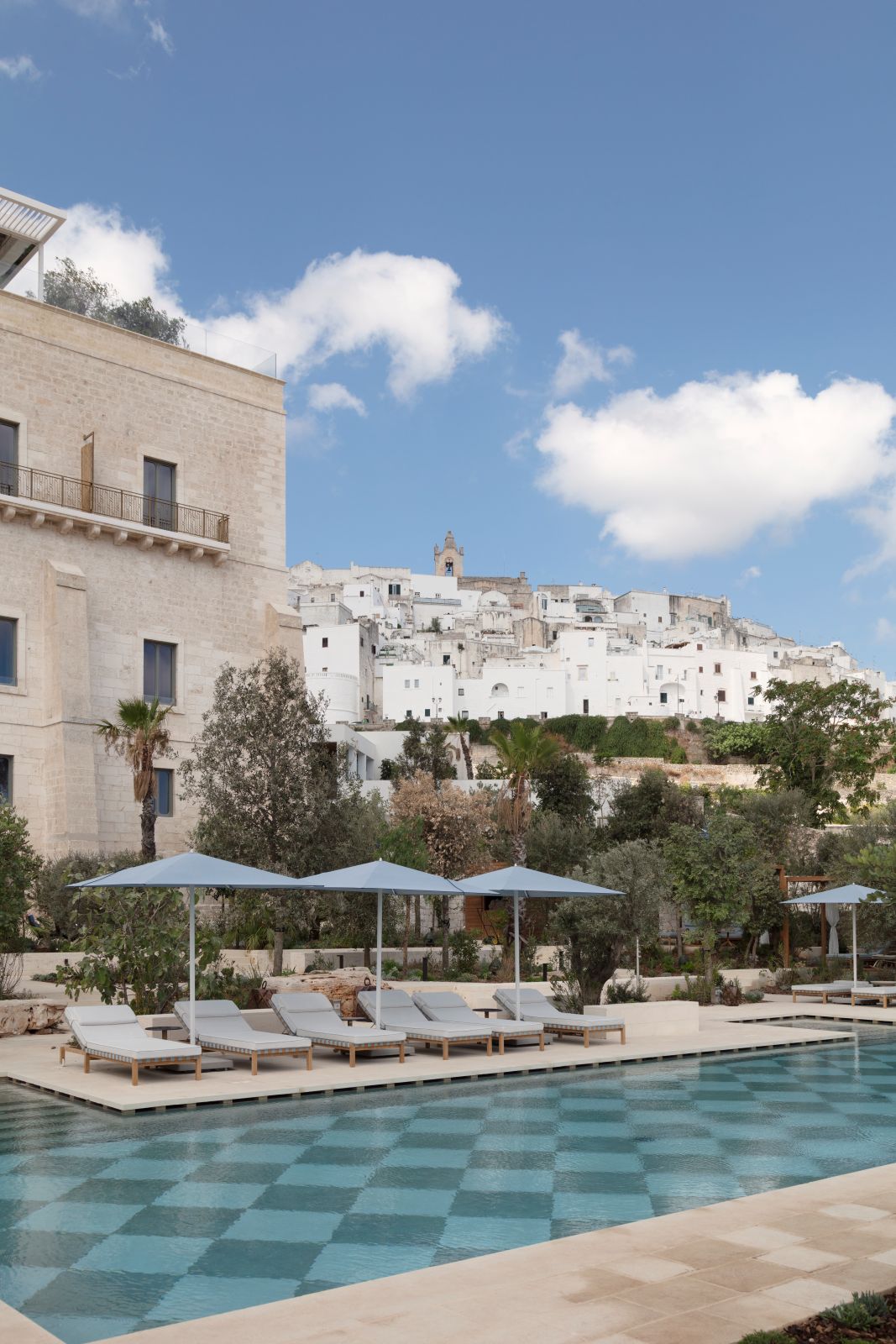
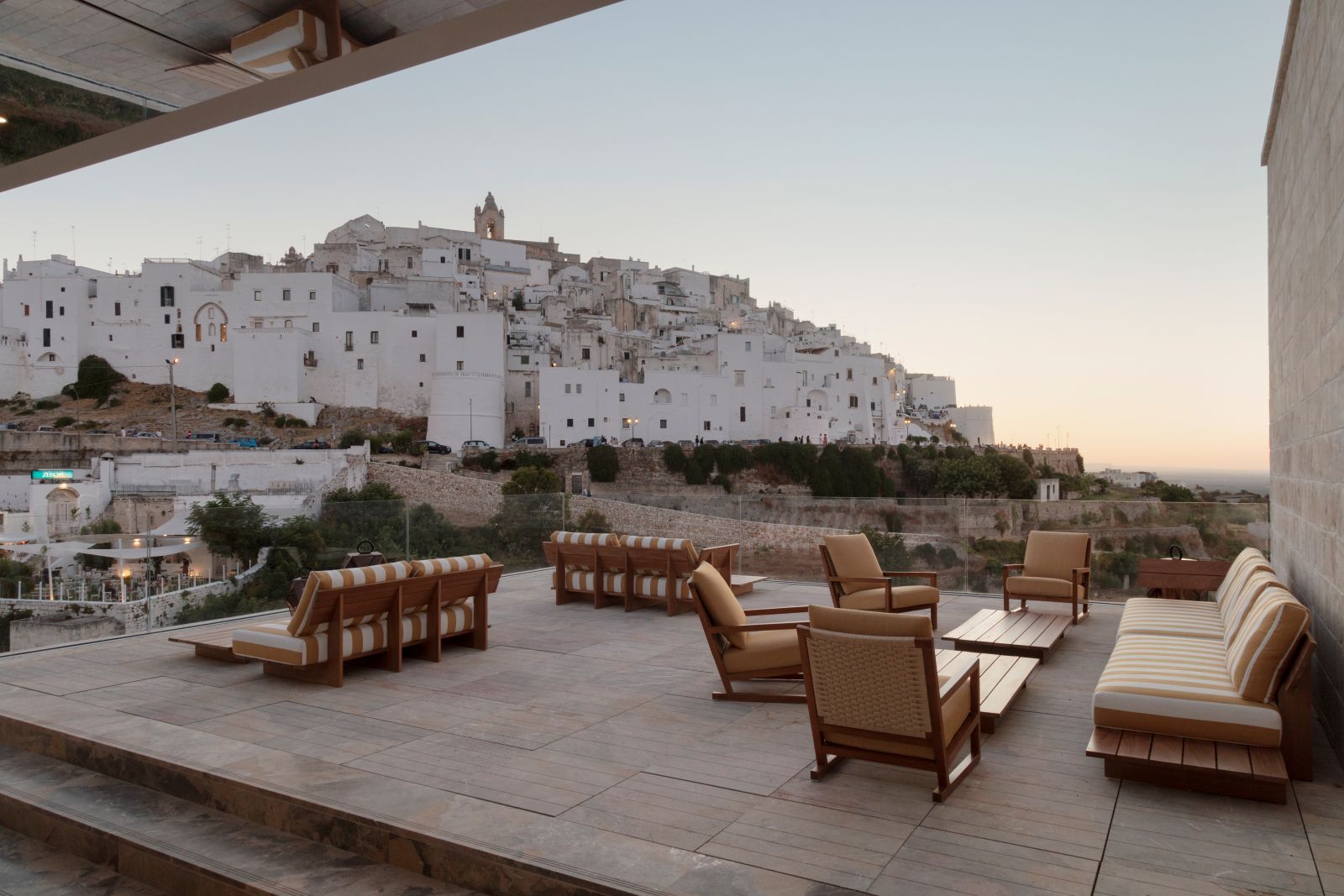
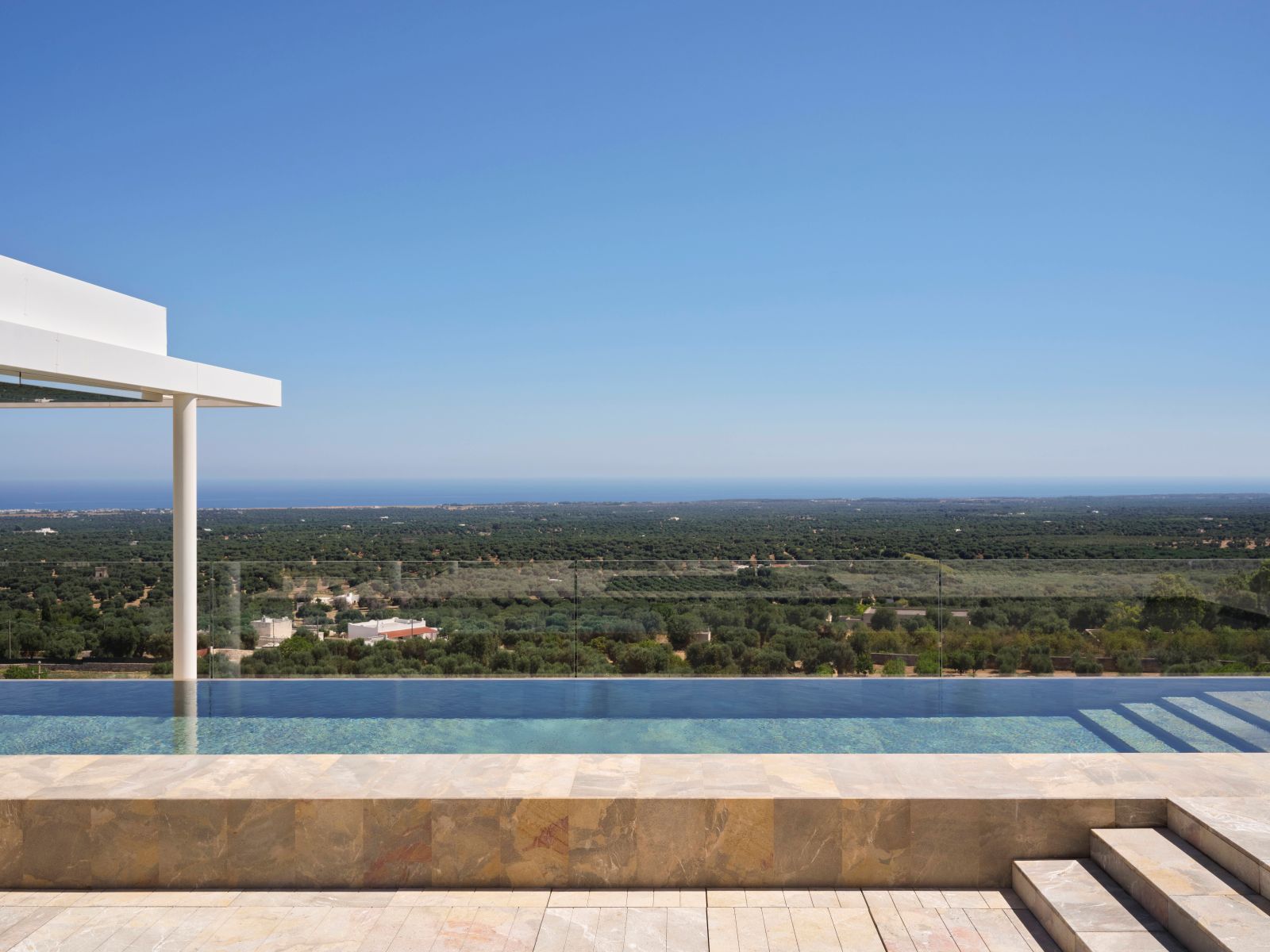
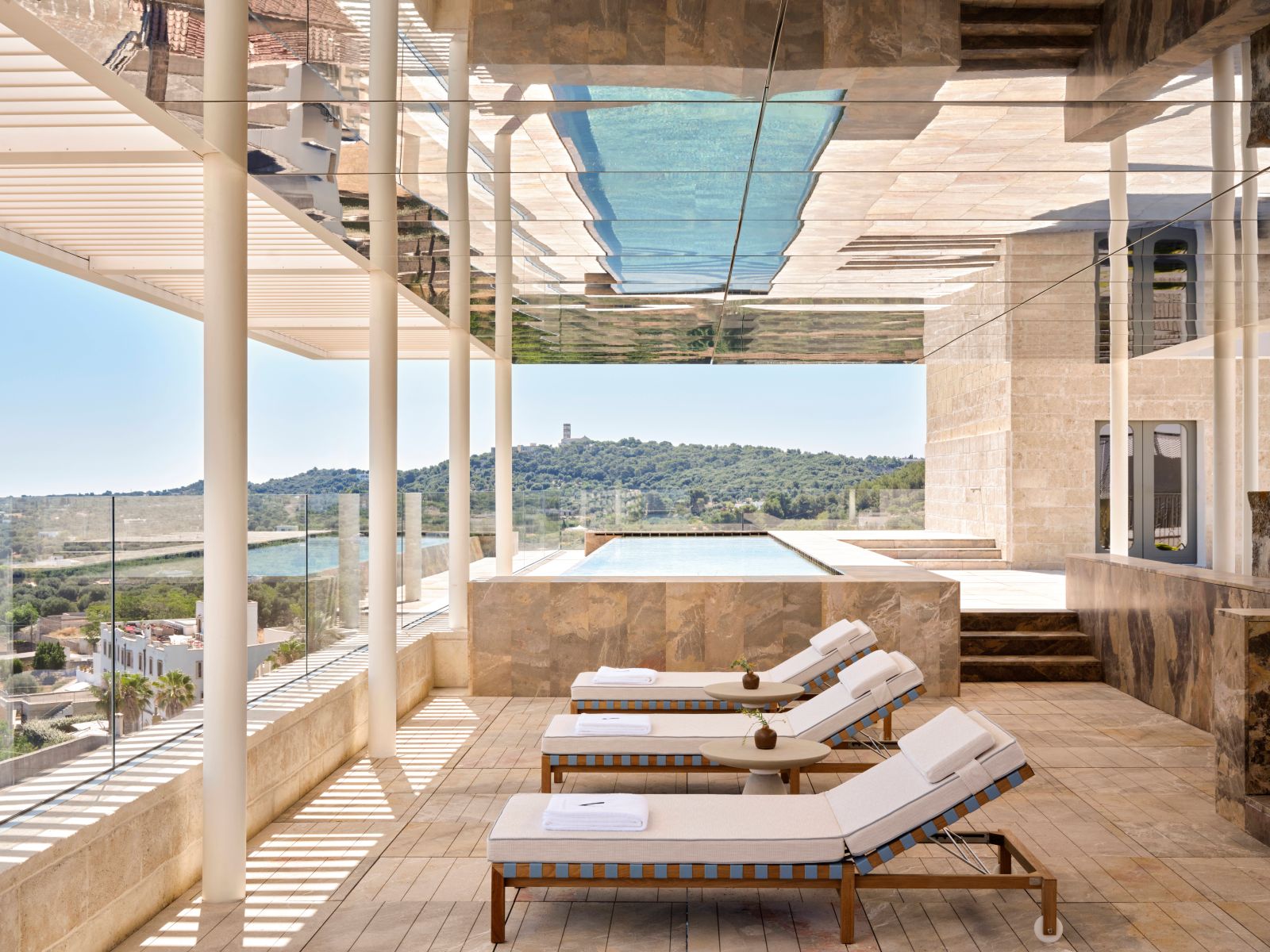
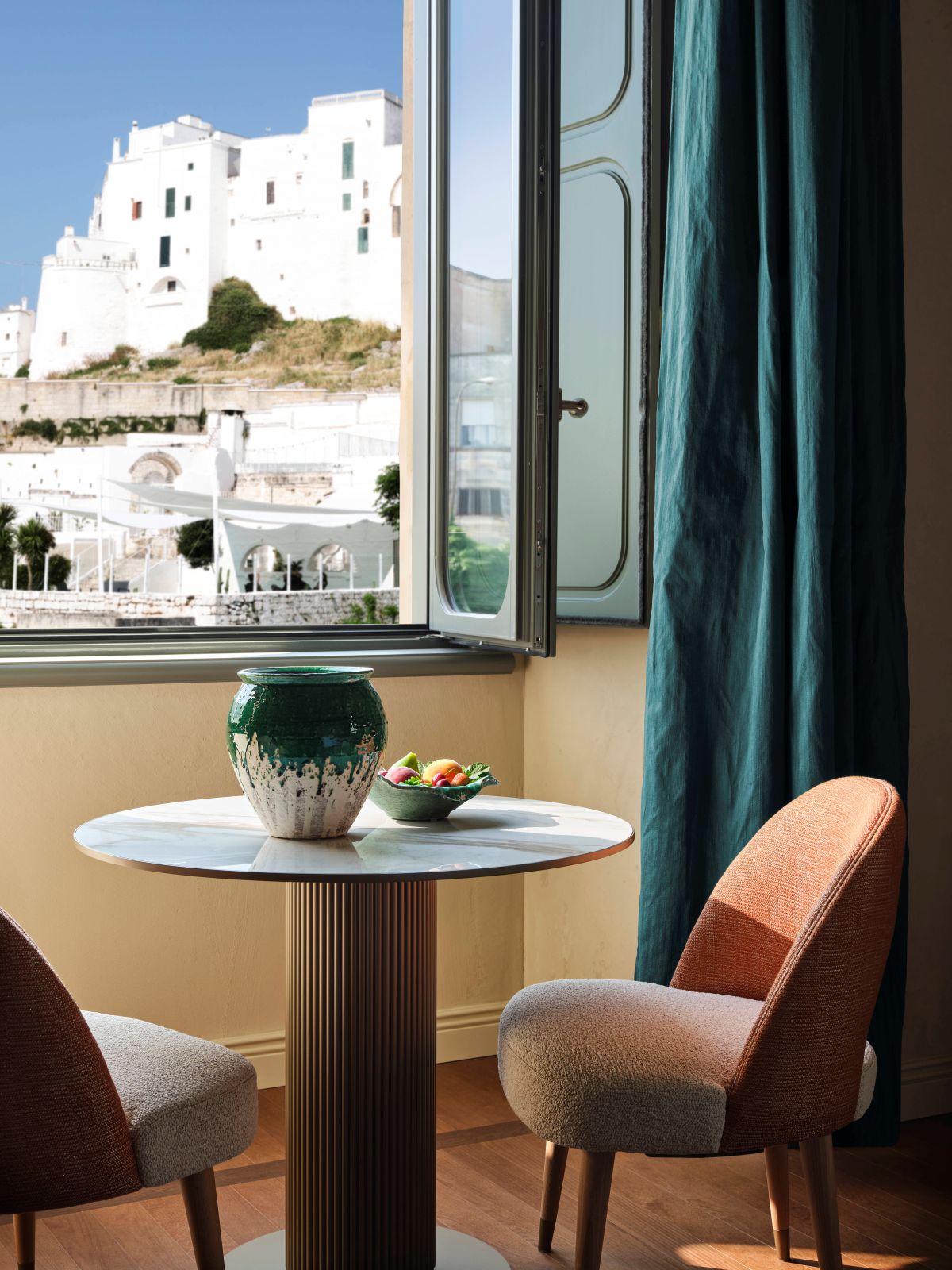
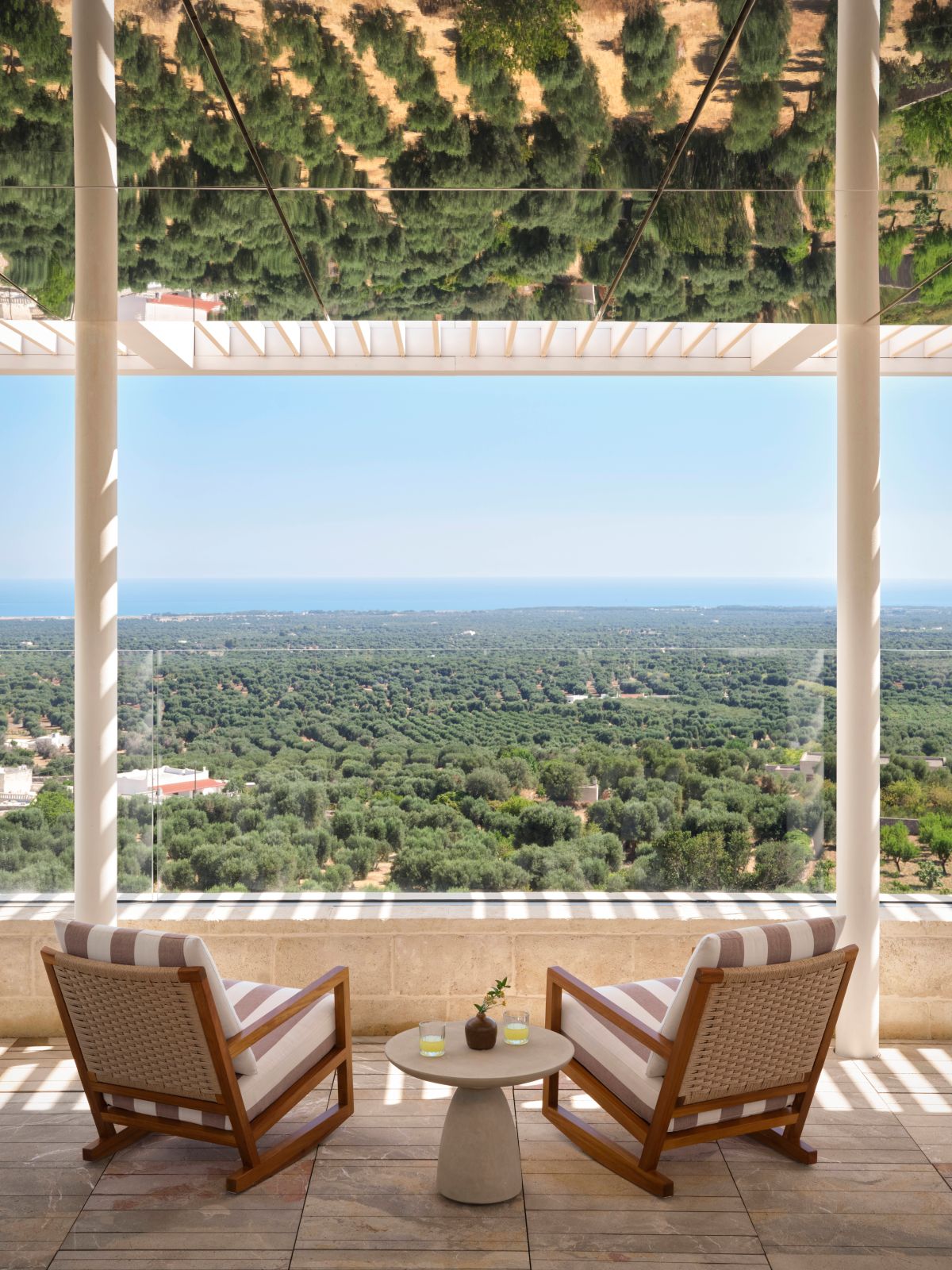
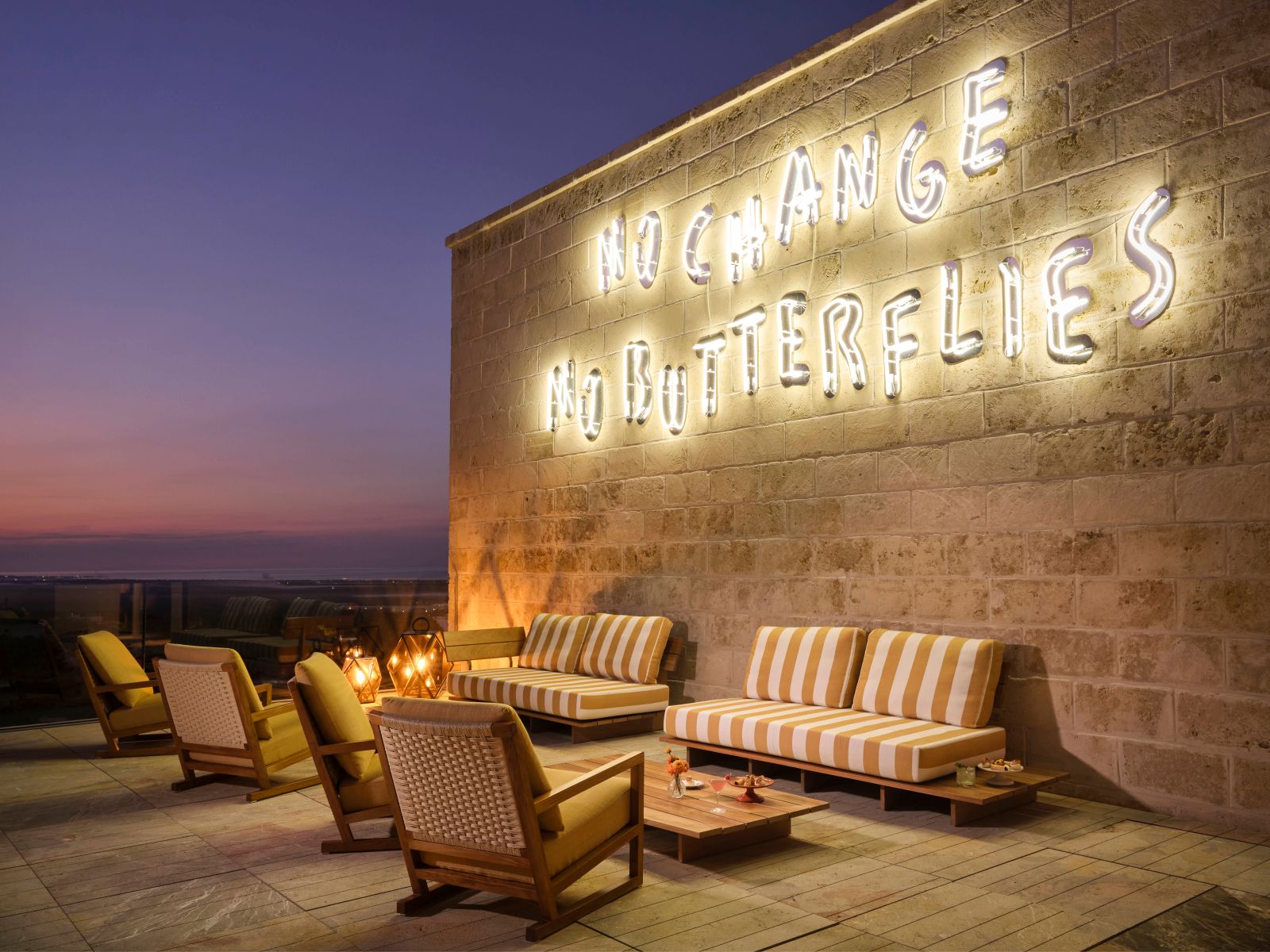
Between the dazzling white of Ostuni and the horizon of the monumental Olive Grove, a building suspended in time has found its voice again. The long history of the former tobacco factory, which also served as a convent and a factory, then fell into silence, comes to an end today and takes on new life, transforming into Vista Ostuni, a five-star luxury hotel owned by the Passera family. The property has already joined the prestigious portfolio of The Leading Hotels of the World.
The project focuses on the theme of adaptive reuse, approached from two angles: architectural conservation and reinterpretation, and the integration of sustainable strategies certified according to the LEED BD+C Hospitality protocol. The RMA – Roberto Murgia Architetto studio led the restoration with a measured approach, avoiding imposing an extraneous mark and preferring a “silent dialogue with the material”.
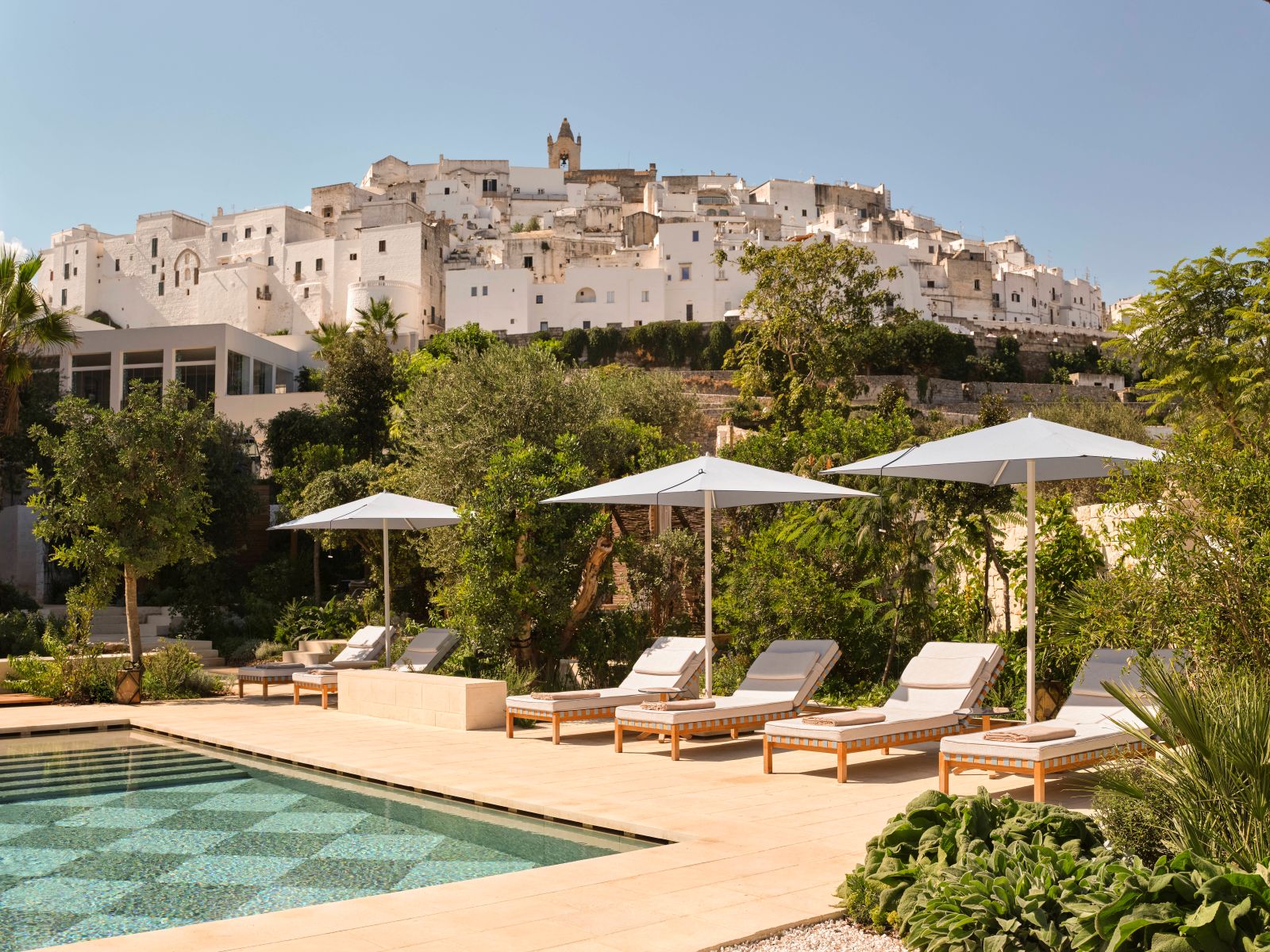
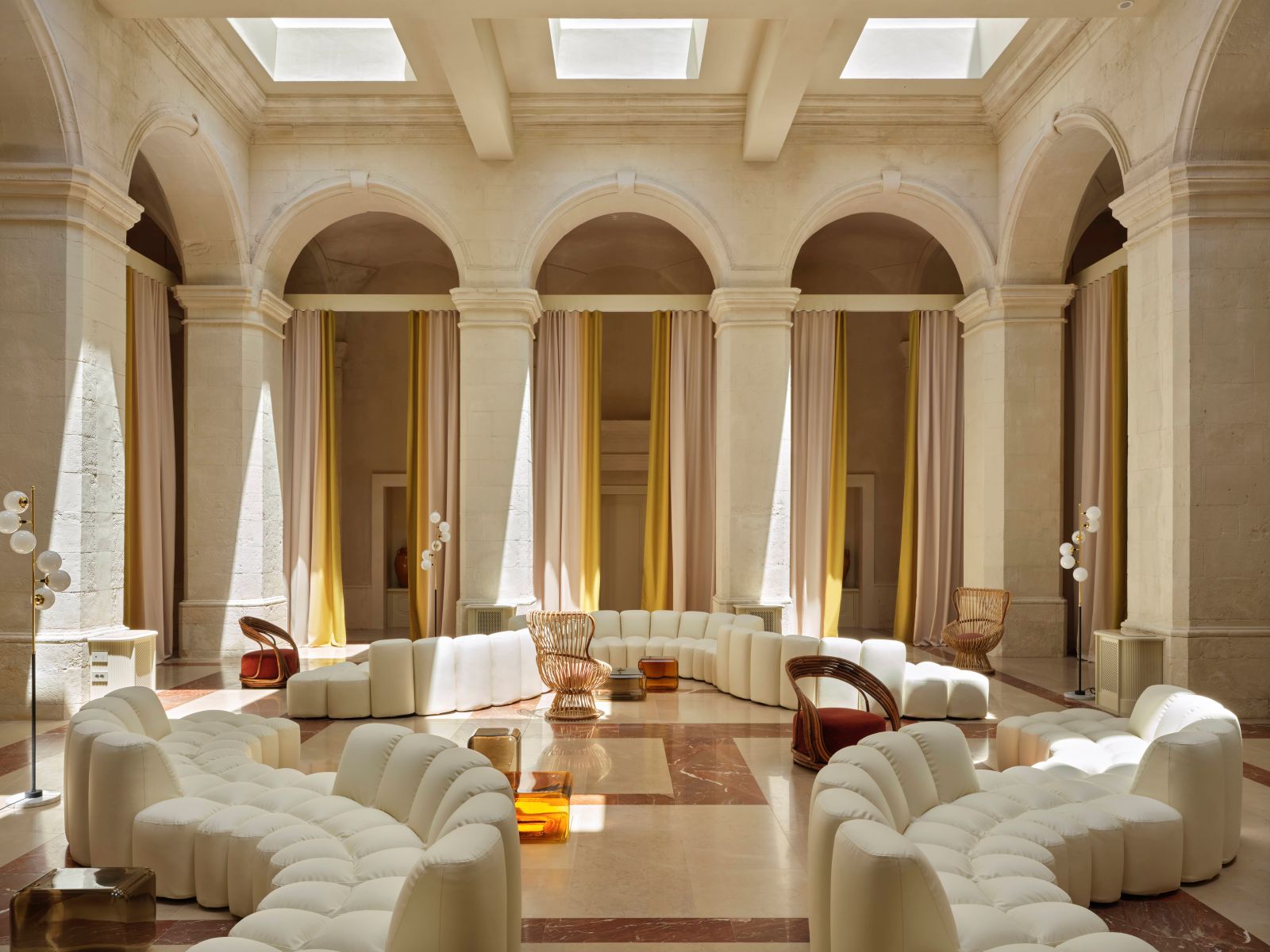
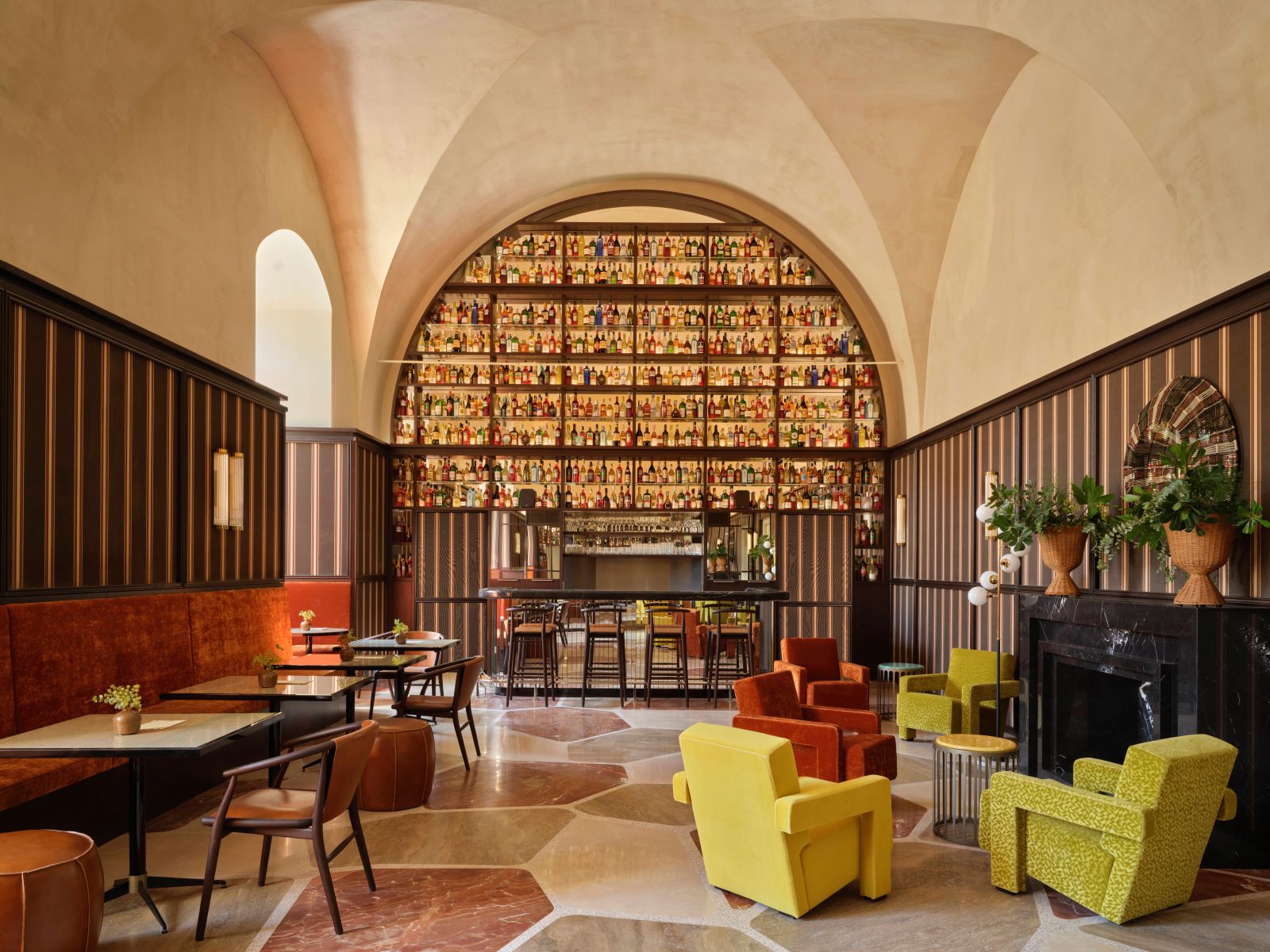
The building, characterized by large vaults and local stone floors, was treated as an organism to be listened to and not reinvented. Working on a historic building pushes the architects to shape the cultural, environmental, and social roots that gave rise to it in order to reinvent a new way of welcoming people, utilizing natural materials and traditional geometries, simple shapes, and precious details. According to Roberto Murgia, bringing the former Manifattura Tabacchi back to life means reopening the doors of this precious building, returning it to the community, and enhancing its architectural features.
The architectural design preserves over 90% of the original structure, transforming it into a “material bank” that reduces new emissions and waste. Craftsmanship was fundamental: stonemasons rebuilt the stone cornices, blacksmiths forged the cast iron railings, and carpenters reproduced the doors and windows. In this interweaving of knowledge, design becomes a tool for cultural continuity as well as efficiency.
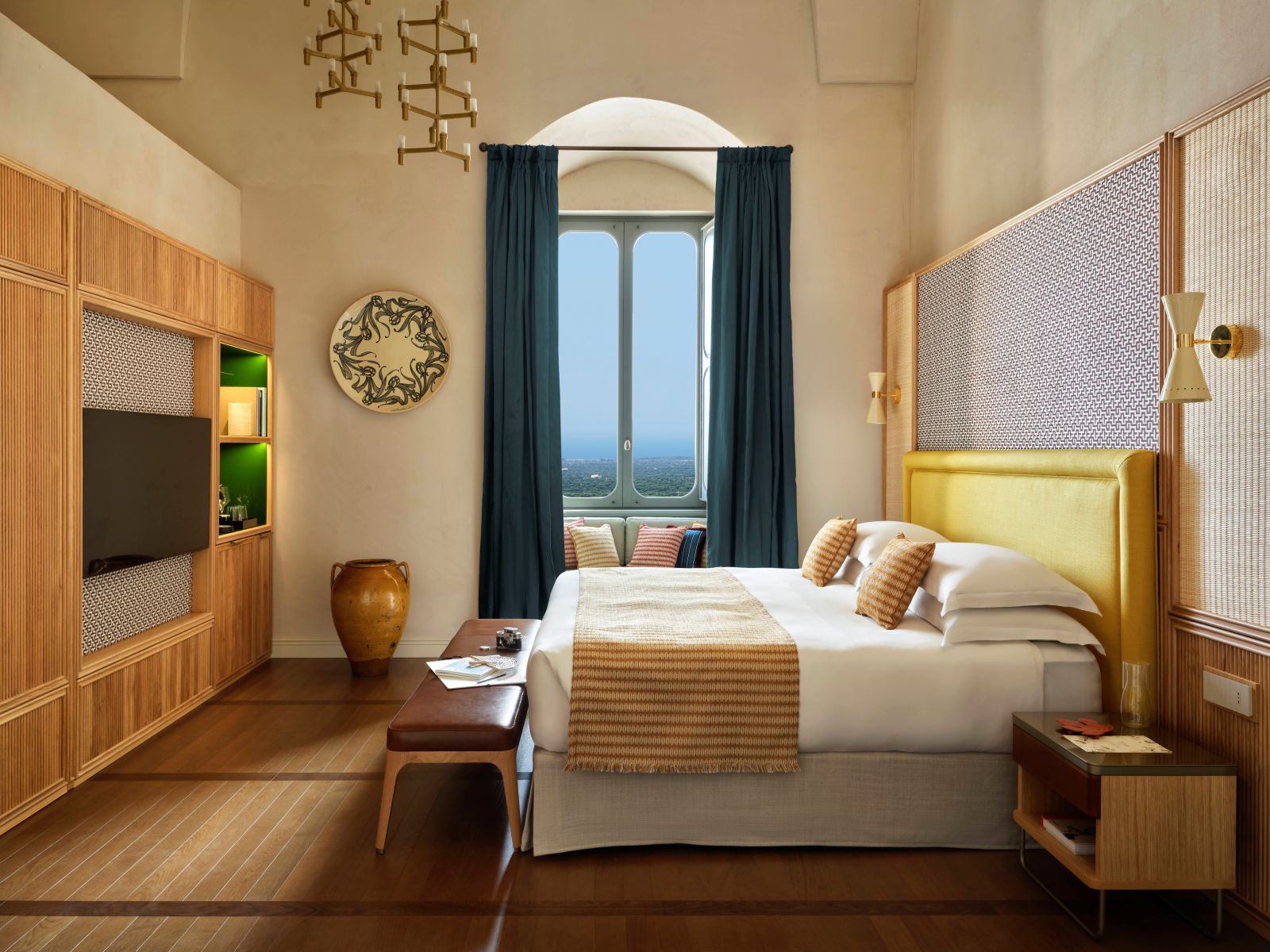
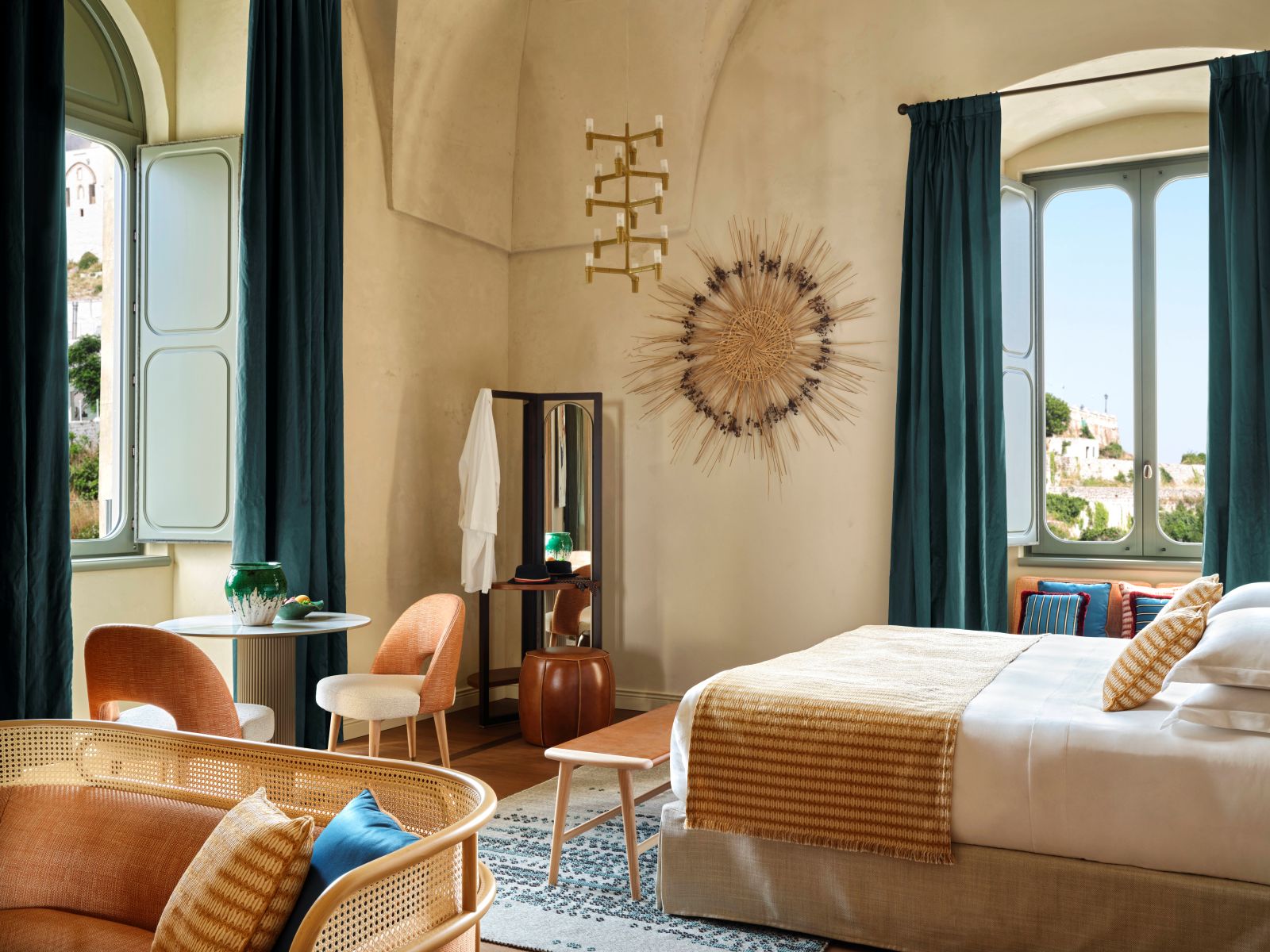
The interiors interpret the same principle, reflecting an idea of luxury linked to quiet comfort, natural light, and quality details. The suites, with high ceilings and large openings, are designed to welcome rather than impress. Local materials are used in a contemporary way, including Trani stone, certified wood, handmade ceramics, and natural fabrics. The colours reflect the shades of the Apulian earth. The bathrooms take on the scale of real rooms, emphasizing an idea of interior design in which functionality and living pleasure coincide.
In this balance, sustainability is a founding principle, not an additional element. The work of Weber Architects guided an integrated process capable of transforming LEED criteria into concrete, measurable, and aesthetically recognizable results.
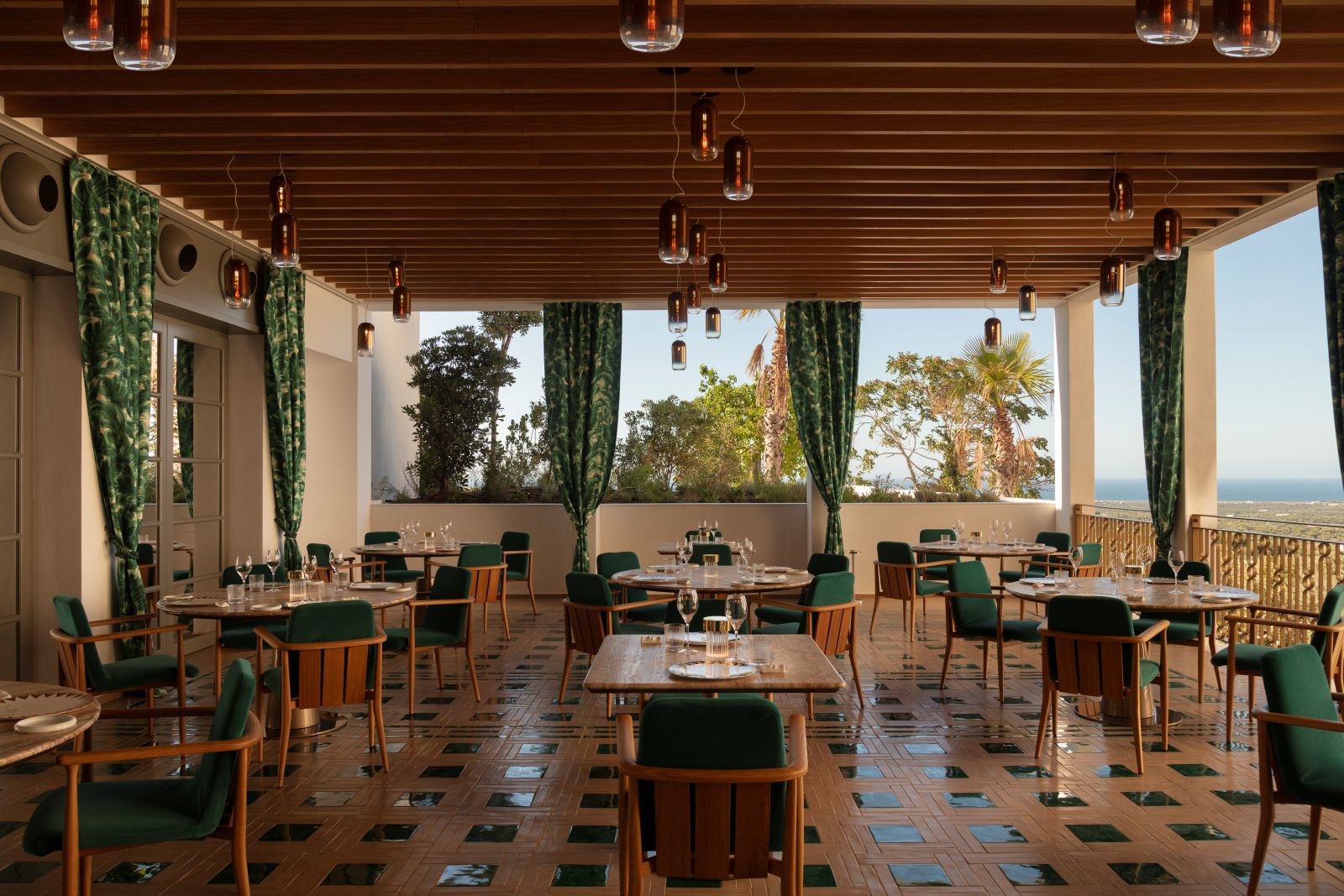
Measurable performance confirms this approach. The project records a 70% water saving, which amounts to 1,300 m³ of water saved each year thanks to recycling systems and low-consumption sanitary fixtures. Furthermore, there is a 27% reduction in energy consumption compared to reference standards, alongside over 7% self-produced energy. The quality of the interior spaces has been designed to improve everyday life through the use of VOC-free paints, sound insulation, natural ventilation, and intelligent light control systems. This comfort does not coincide with consumption, but with efficiency and attention to health.
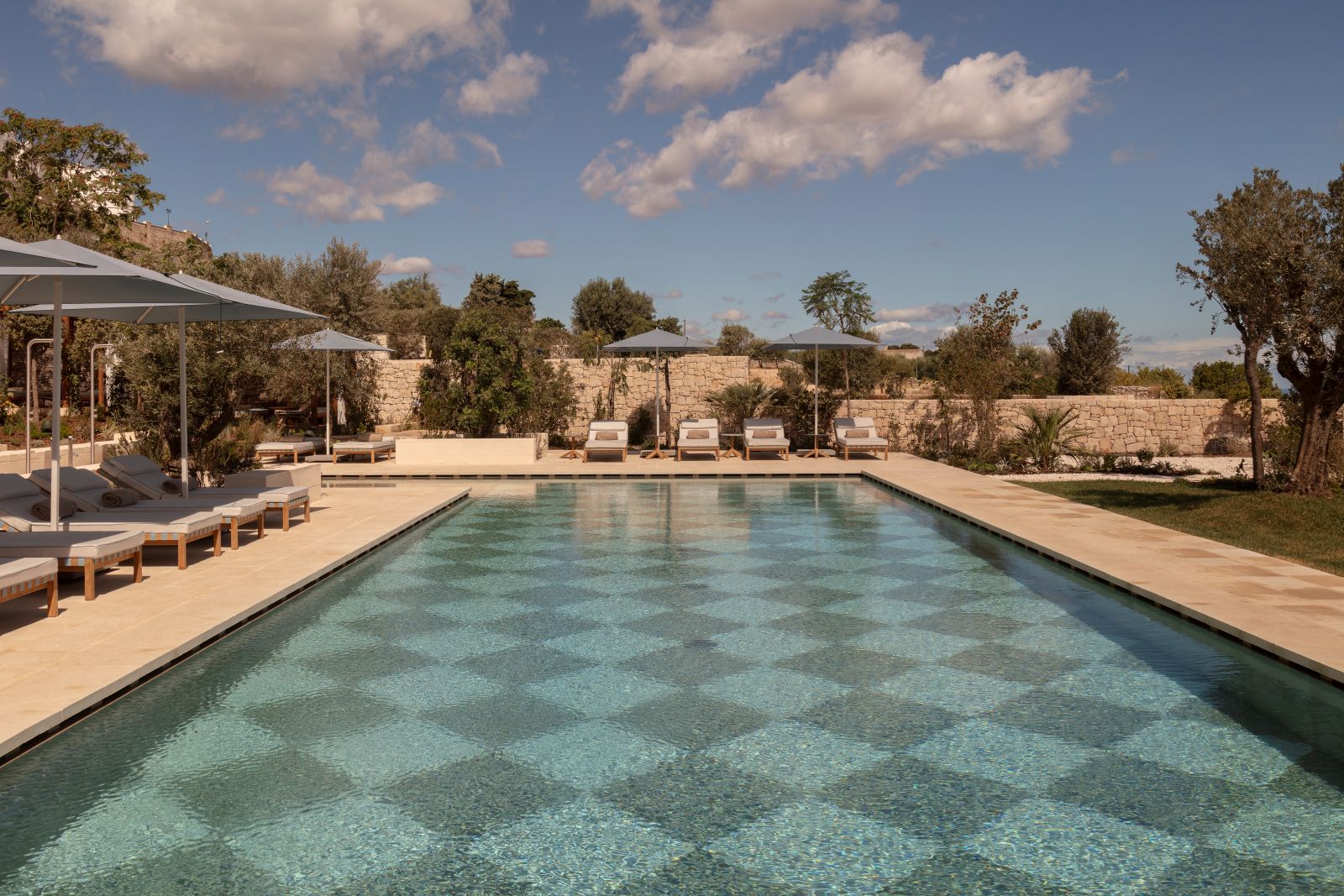
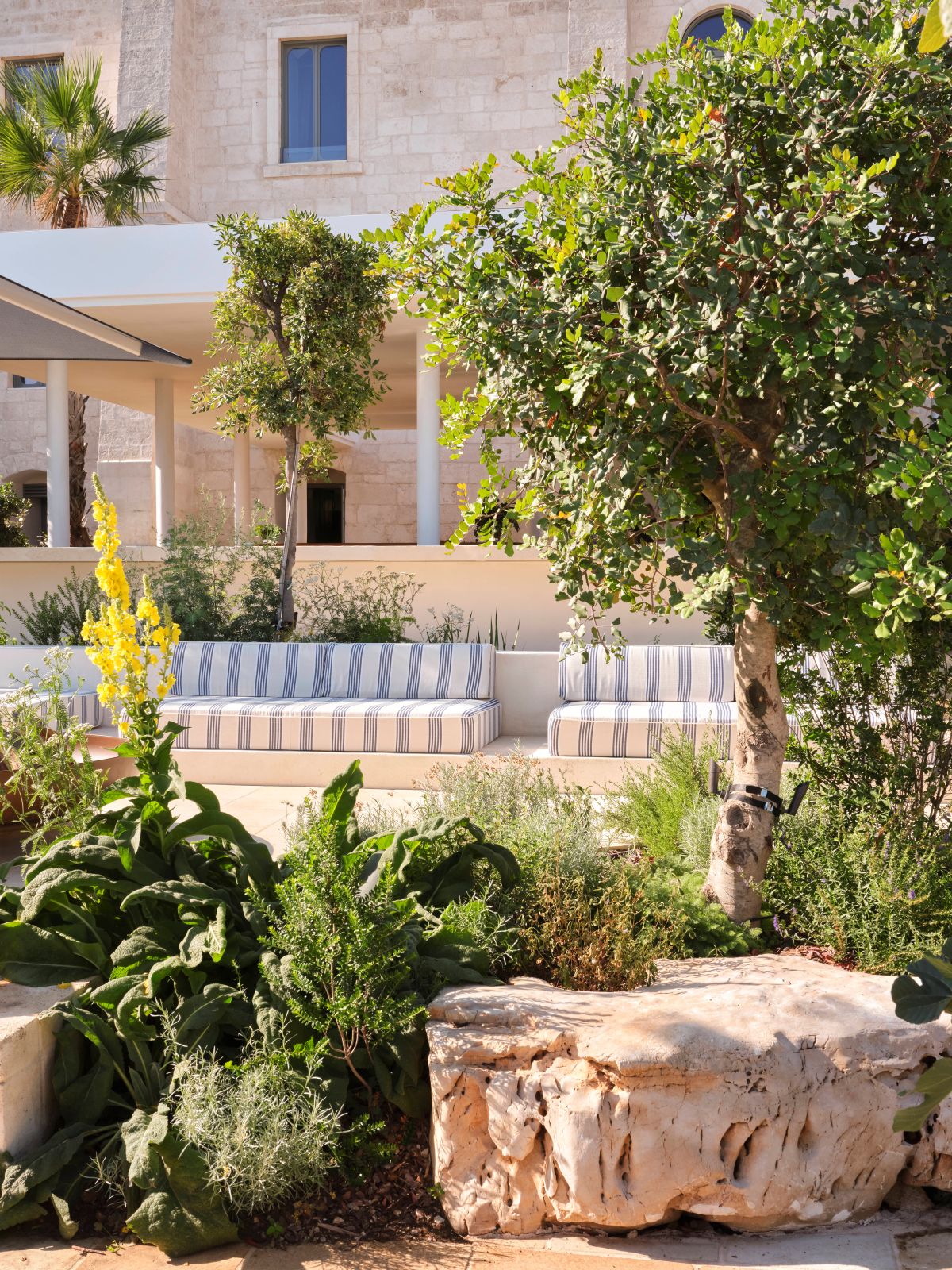
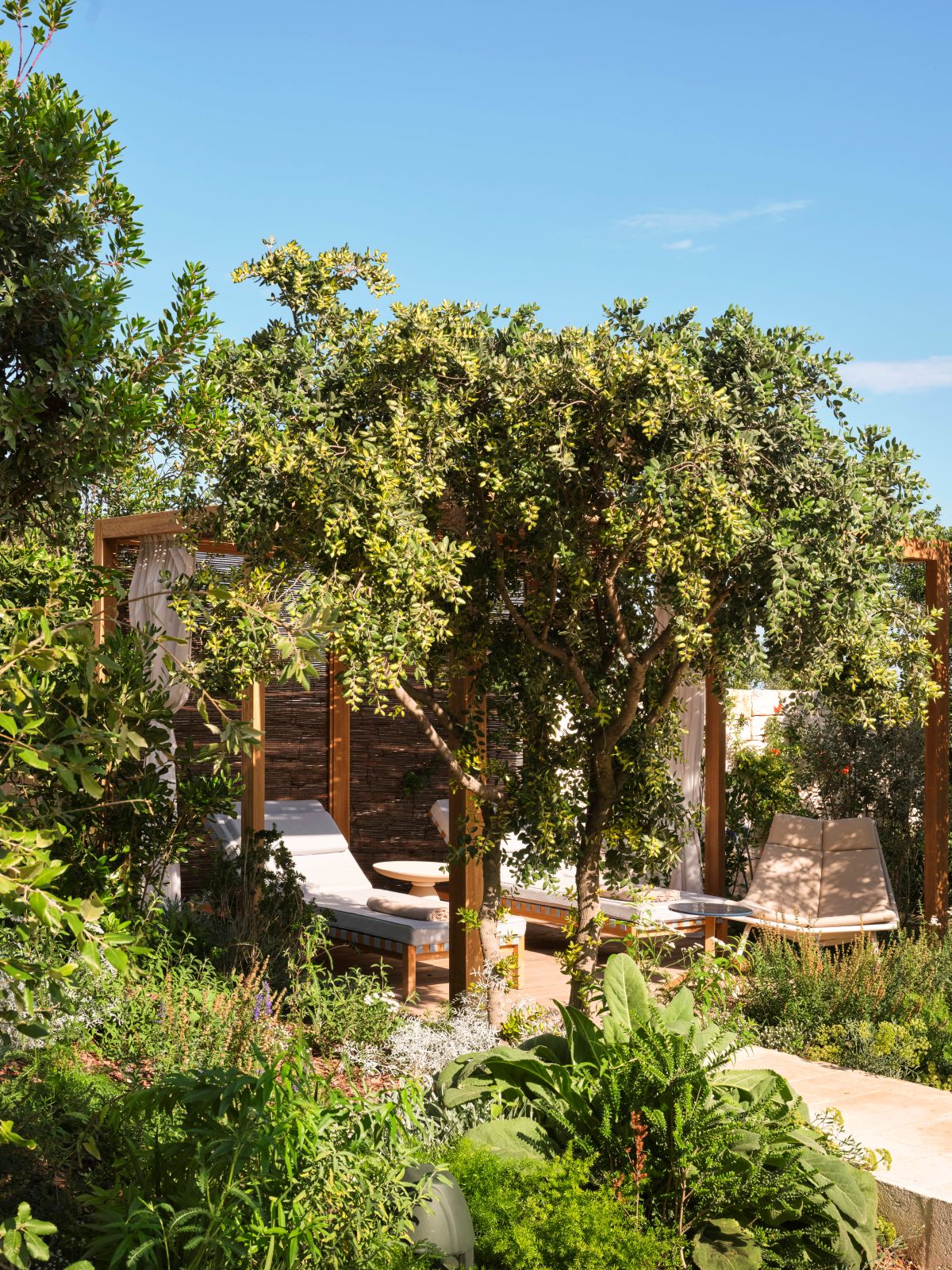
The landscape, designed by Erik Dhont, completes the picture. Three hectares of gardens reinterpret the Mediterranean tradition with native plants and paths. Olive trees, carob trees, pomegranates, and aromatic species coexist with local building elements and dry stone walls, transforming the outdoor spaces into a living continuity with the territory.
For the client, VISTA OSTUNI SOCIETA’ BENEFIT SRL, the project is first and foremost a cultural gesture. Vista Ostuni serves as a case study for contemporary architecture. It demonstrates that reuse can generate new economies without sacrificing memory, that luxury can coincide with sobriety and well-being, and that sustainability can be rooted in concrete numbers as well as aesthetics. The hotel, designed by RMA with the sustainable management of Weber Architects, becomes a laboratory for rethinking the relationship between tourism, architecture, and the environment, offering a replicable model for the hospitality of the future. The opening year is 2025.